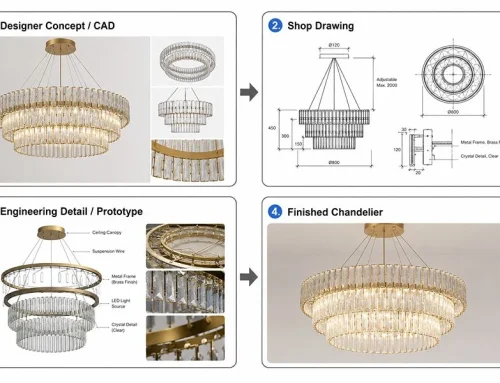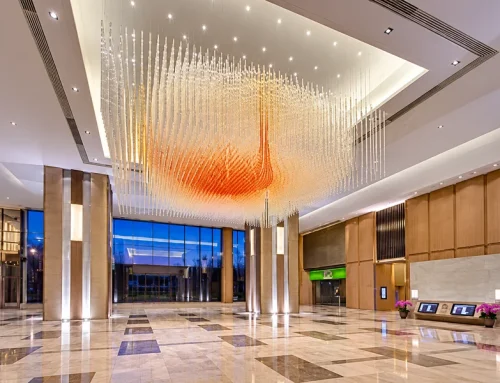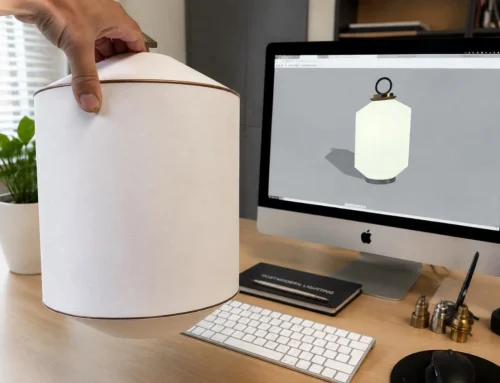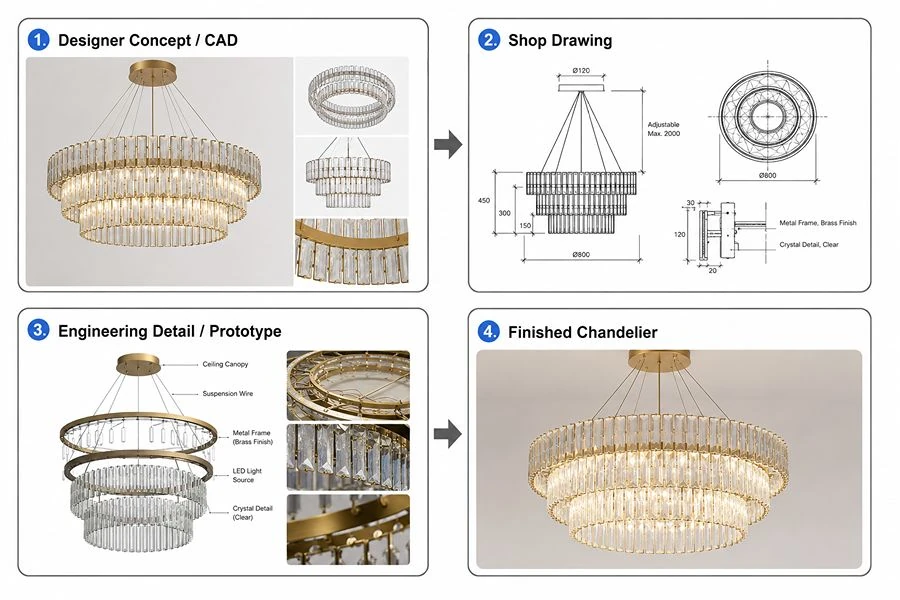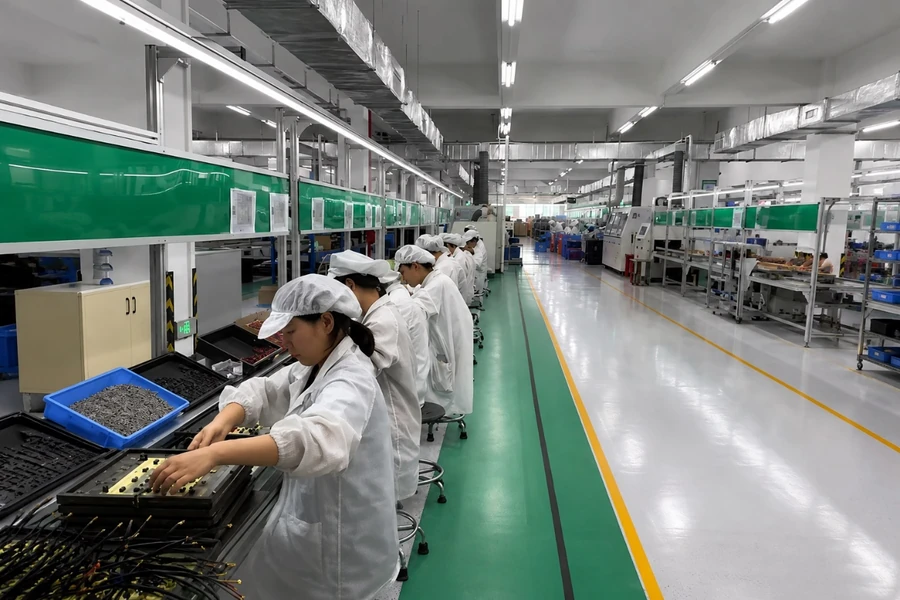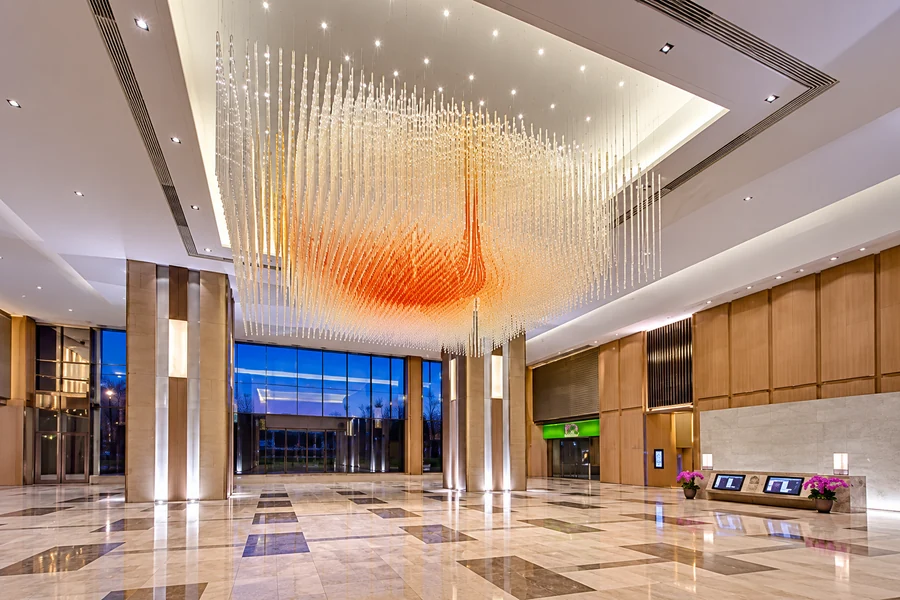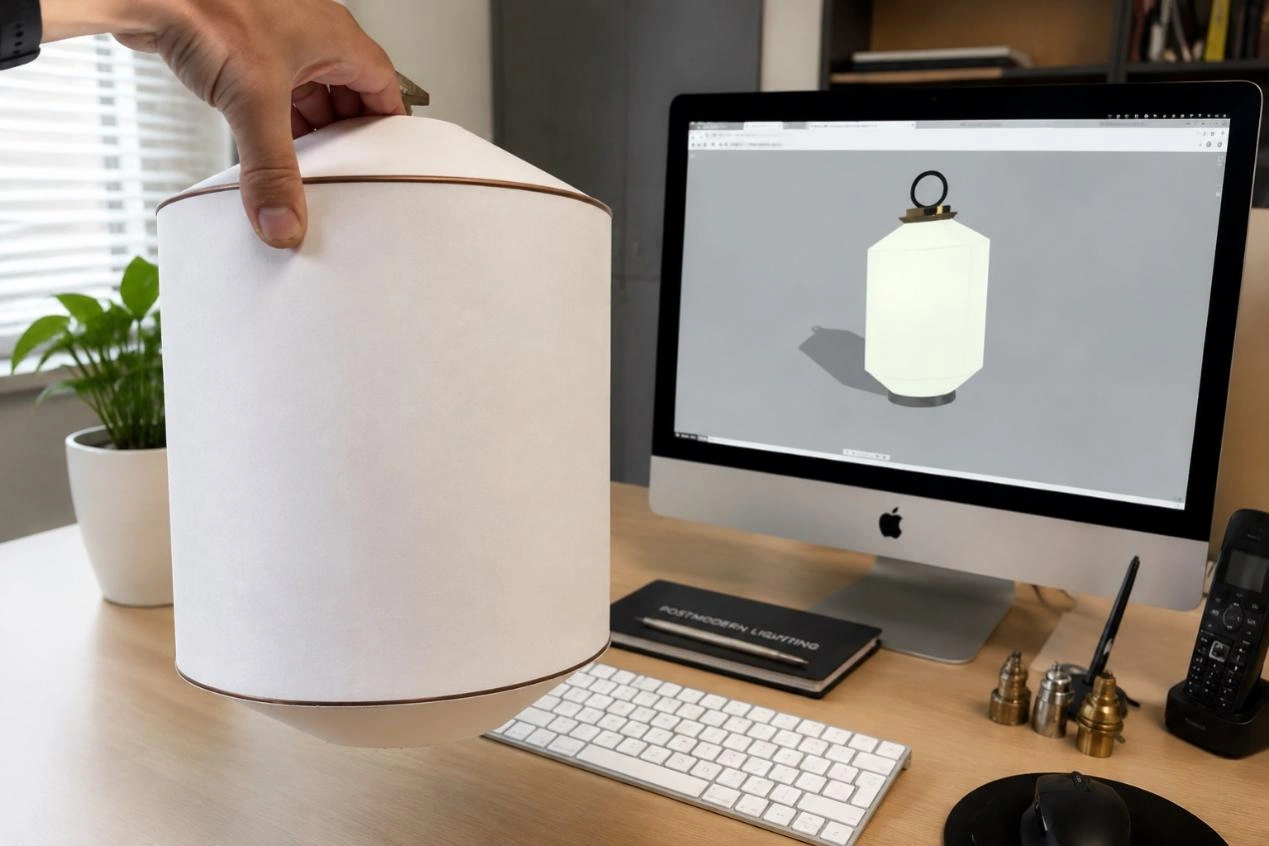
A decorative lighting specification sheet defines the product dimensions, materials, surface finishes, electrical parameters, and installation requirements. For standard products, it helps buyers quickly determine whether the fixture is suitable for a project. For custom products, it serves as the technical basis for quotation, sample production, and manufacturing approval.
This article explains the key parameters in a decorative lighting specification sheet and shows how to interpret overall dimensions, mounting dimensions, voltage, light source, dimming method, load capacity, and IP rating. It also highlights the information that should be confirmed with the manufacturer before placing an order.
1. What Does a Decorative Lighting Specification Sheet Include?
A complete decorative lighting specification sheet is more than a product introduction. It is a critical technical document used throughout design, procurement, manufacturing, transportation, installation, and final acceptance. Although the format may vary by manufacturer, most specification sheets include the following four categories of information.
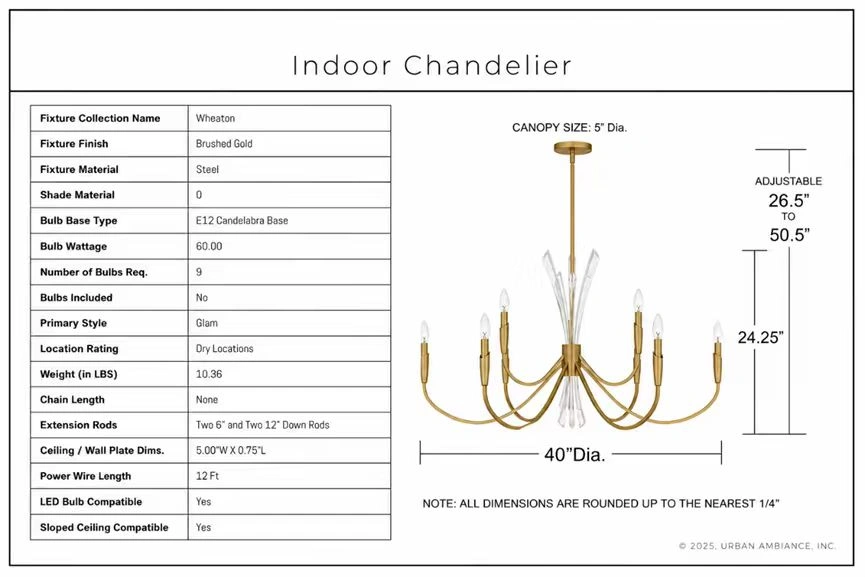
Decorative Lighting Specifications
1) Product Dimensions
Dimension specifications define the fixture geometry and installation space, including the overall dimensions, mounting dimensions, adjustable dimensions, and product weight.
Typical information includes: Overall Height, Width / Diameter, Projection (wall light projection), Canopy Size, Suspension Length (rod or cable length), and Net Weight.
2) Material and Finish Specifications
Material specifications define the fixture’s structural strength, weight, durability, and decorative performance.
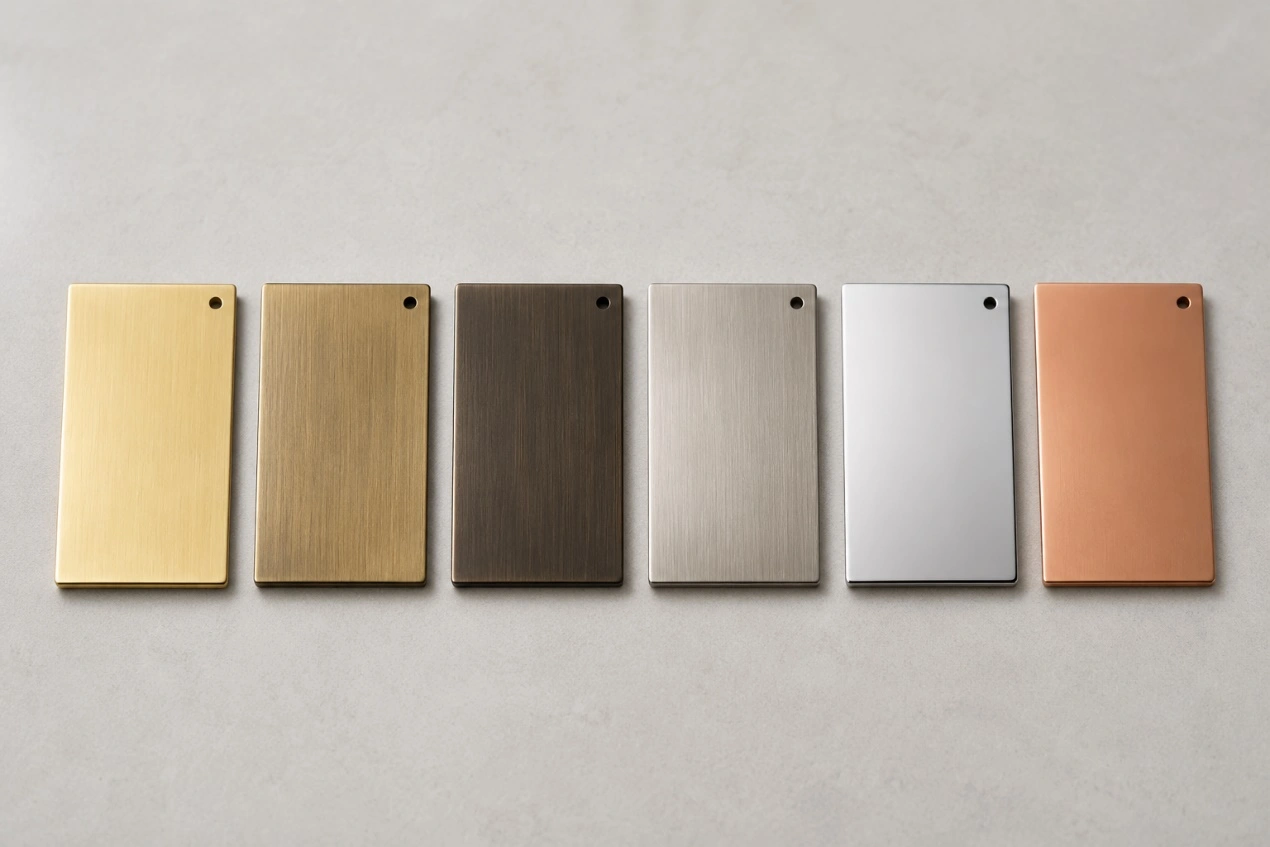
A specification sheet typically identifies the following: Base metal material (Brass, Stainless Steel, Aluminum, including alloy grade), Shade material (Glass, Fabric, Acrylic), Decorative materials (Crystal, Marble, Wood), Surface finish (Electroplated Brass, Brushed Brass, Powder Coating, PVD, coating thickness, color tolerance, UV resistance rating, etc.)
For high-end custom projects, the specification sheet may also include technical details such as metal wall thickness, glass thickness, marble type, crystal grade, and color codes (RAL or Pantone).
3) Electrical Specifications
Electrical specifications determine whether the fixture complies with the local power supply standards and lighting performance requirements. They are also one of the most critical sections in international procurement. Typical parameters include: Input Voltage, Frequency, Wattage, Lamp Base, Light Source (integrated LED or replaceable lamp), Color Temperature, CRI (Color Rendering Index), Luminous Flux, and Dimming Compatibility.
4) Installation Specifications
Installation specifications determine whether the fixture can be installed correctly on site. They typically include the installation method (suspended, ceiling-mounted, wall-mounted, or floor-standing), canopy dimensions, mounting hole locations, suspension rod or cable adjustment range, product weight, load-bearing requirements, installation environment (Indoor / Outdoor), fall protection requirements, and ventilation clearance.
2. Understanding Decorative Lighting Dimensions
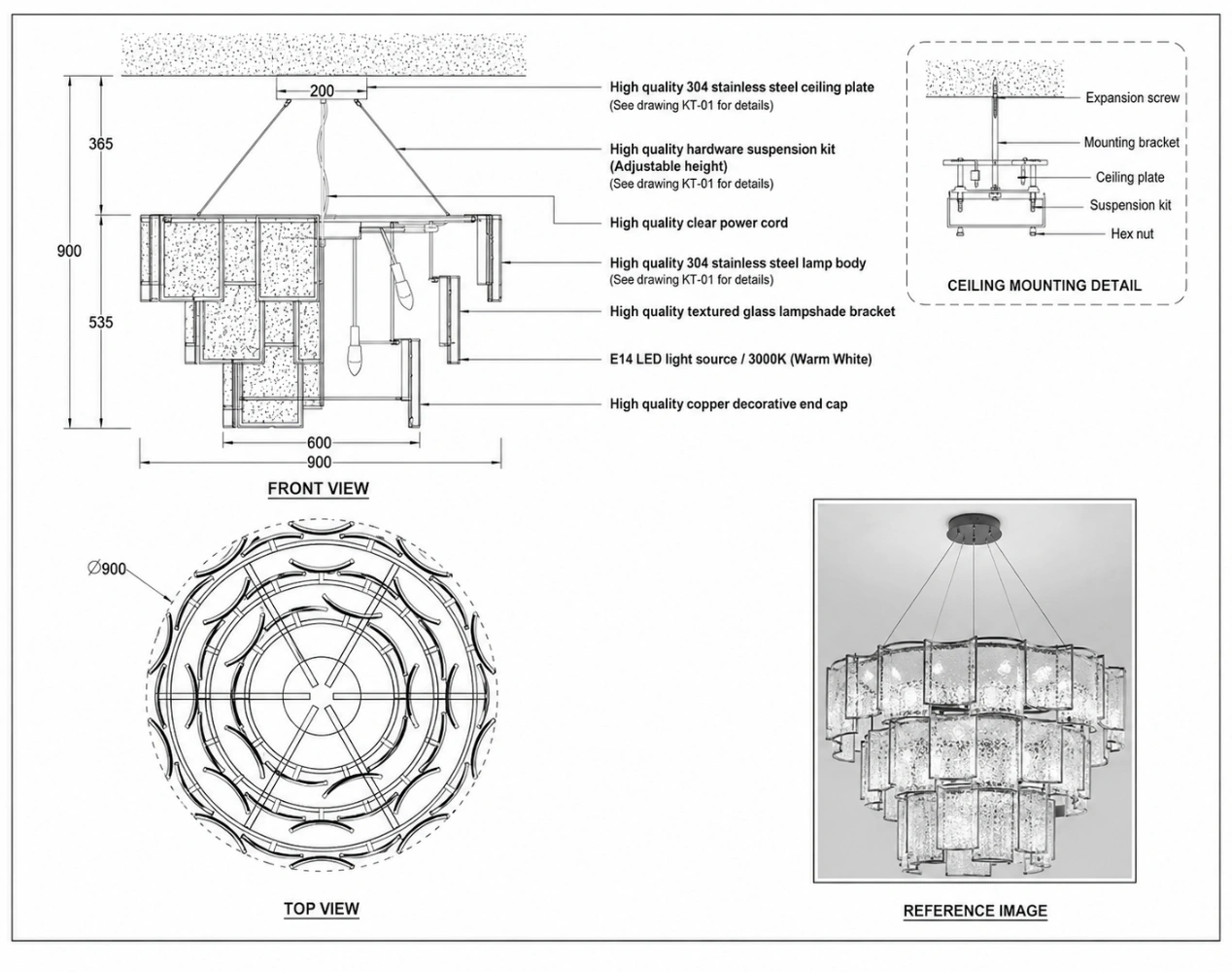
Fixture dimensions determine more than the product size. They also directly affect transportation, installation, and the final visual impact within the space. For engineering projects, confirming only the fixture diameter or height is not enough. You must also verify the installation clearance, adjustment range, and site conditions.
Lighting Fixture Dimensions
1) Overall Dimensions
Overall dimensions are the most fundamental parameters in a specification sheet. They generally include Overall Height, Width, Diameter, Length, and Net Weight.
These dimensions determine not only whether the fixture is proportionate to the space, but also influence packaging, transportation, and lifting plans. For example, a lobby chandelier with a diameter of 1,800 mm may be fully manufactured, but if its shipping package exceeds the size limits of the container or elevator, it may never reach the installation location.
For custom fixtures, verify the proportions against the actual space during the design stage. A common practice is to create a full-scale CAD layout or a 3D model to confirm the relationship between the fixture, ceiling, furniture, and building structure before production begins.
2) Mounting Dimensions
Mounting dimensions are among the specifications most likely to cause site rework during procurement. They typically include Canopy Size, Mounting Hole Pattern, junction box location, overall dimensions of the top driver box, installation depth, minimum installation clearance, and maintenance access.
Some projects confirm the fixture dimensions but overlook the canopy size. For example, if the building has a 100 mm junction box while the fixture canopy is only 80 mm, the canopy cannot fully cover the box. Conversely, an oversized canopy may interfere with sprinkler heads, HVAC diffusers, or ceiling features. In actual projects, mounting dimensions should be checked against the architectural, electrical, and MEP drawings.
3) Adjustable Dimensions
For pendant fixtures, adjustable dimensions provide the installation tolerance needed for final site adjustment. Common adjustable parameters include suspension cable length range, combinations of suspension rod lengths, fixture tilt angle, wall-light head rotation angle, and floor-lamp height adjustment range.
For example, a lobby may have an 8 m ceiling height while a mock-up room is only 4 m high. If the fixture uses modular suspension rods or adjustable steel cables, the same product can suit different projects and significantly reduce the cost of redesign or new tooling.
For custom projects, the specification sheet should clearly state the Minimum Hanging Height and Maximum Hanging Height to avoid site issues caused by suspension cables that are too short or too long.
3. Common Material and Finish Specifications for Decorative Lighting
Materials and finishes determine not only the appearance of a decorative fixture, but also its weight, structural strength, corrosion resistance, maintenance cost, and service life. For project procurement, simply specifying “brass” or “glass” is not enough. The exact material type, fabrication method, and finishing process should also be defined.
1) Metal Material Specifications
Metal is the primary structural material used in decorative lighting. Different metals vary significantly in strength, weight, corrosion resistance, and fabrication performance.
A specification sheet typically identifies the metal type (Brass, Stainless Steel, Aluminum, Iron), material grade such as 304 or 316 stainless steel, whether the component uses tube, sheet, or solid construction, wall or sheet thickness, and whether the part is produced by casting, tube bending, or CNC machining. The table below lists commonly used metal materials.
| Metal Base Material | Typical Specification | Suitable Applications | Key Considerations |
| Stainless Steel | SUS304 for standard indoor use; SUS316L recommended for coastal or overseas outdoor applications; typical wall thickness ≥1.5 mm | General applications; 316L preferred for coastal and island projects | 201 stainless steel is not suitable; it can rust easily in high-humidity environments |
| Aluminum Alloy | 6063 aluminum extrusion; structural profiles commonly use wall thicknesses of 2.0 mm or above | High-volume commercial projects in Europe, North America, and Australia | Mixed or unstable aluminum alloys can cause oxidation, finish color variation, and fabrication deformation |
| Brass | H62 brass sheet or tube | European and North American vintage, light-luxury, and modern Chinese-style export custom lighting | If material composition is unstable or surface protection is inadequate, brass is more prone to oxidation and discoloration in high-humidity environments |
| Zinc Alloy | Used for small indoor decorative components; not recommended for primary outdoor structural parts | Indoor decorative components |
For large chandeliers, the material specification directly affects the overall load-bearing requirement. Solid brass offers a more substantial appearance and feel, but it is considerably heavier than aluminum alloy. Hollow tubing reduces overall weight and is therefore better suited to extra-large chandeliers or high-level installations.
Material Specification Sample
2) Glass, Stone, and Crystal Specifications
Decorative materials largely determine the final visual appearance of a fixture and are an important part of high-end decorative lighting.
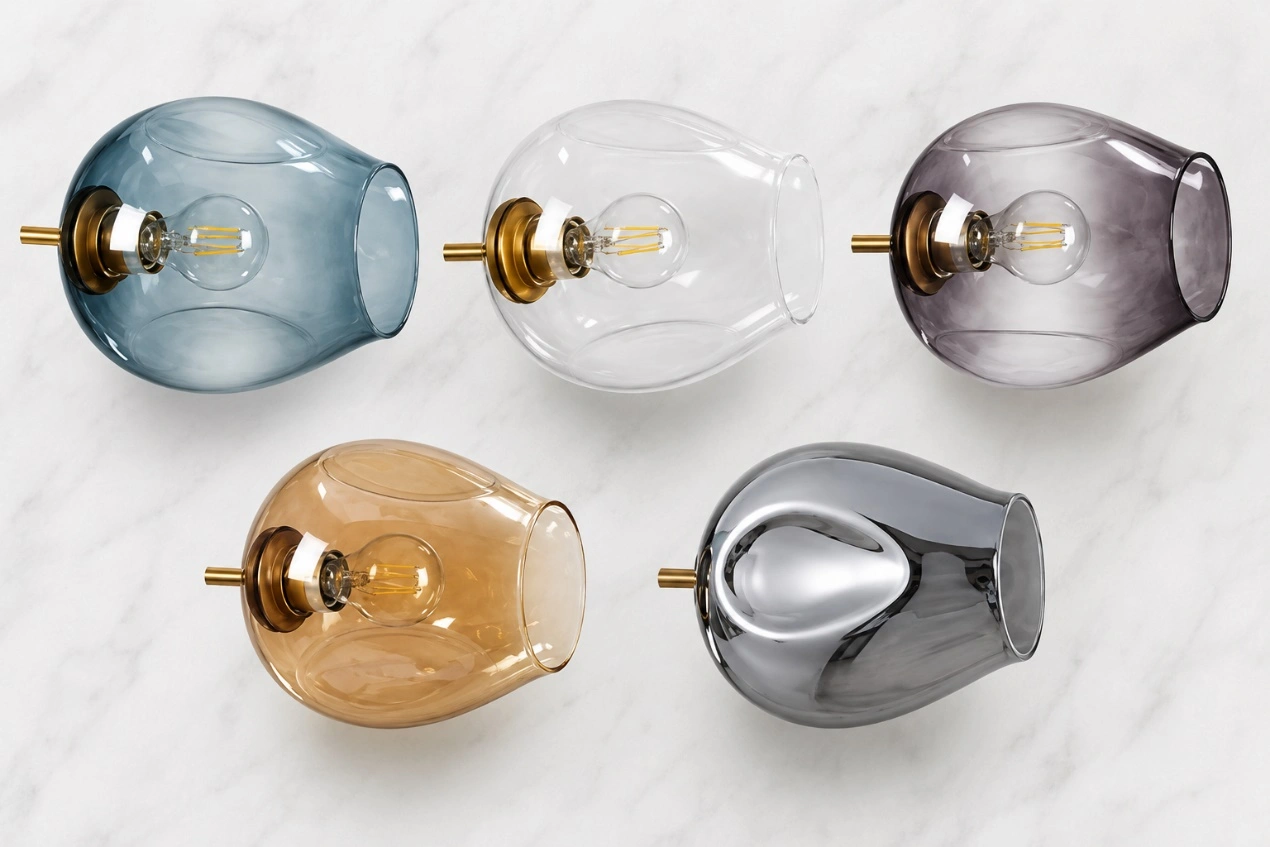
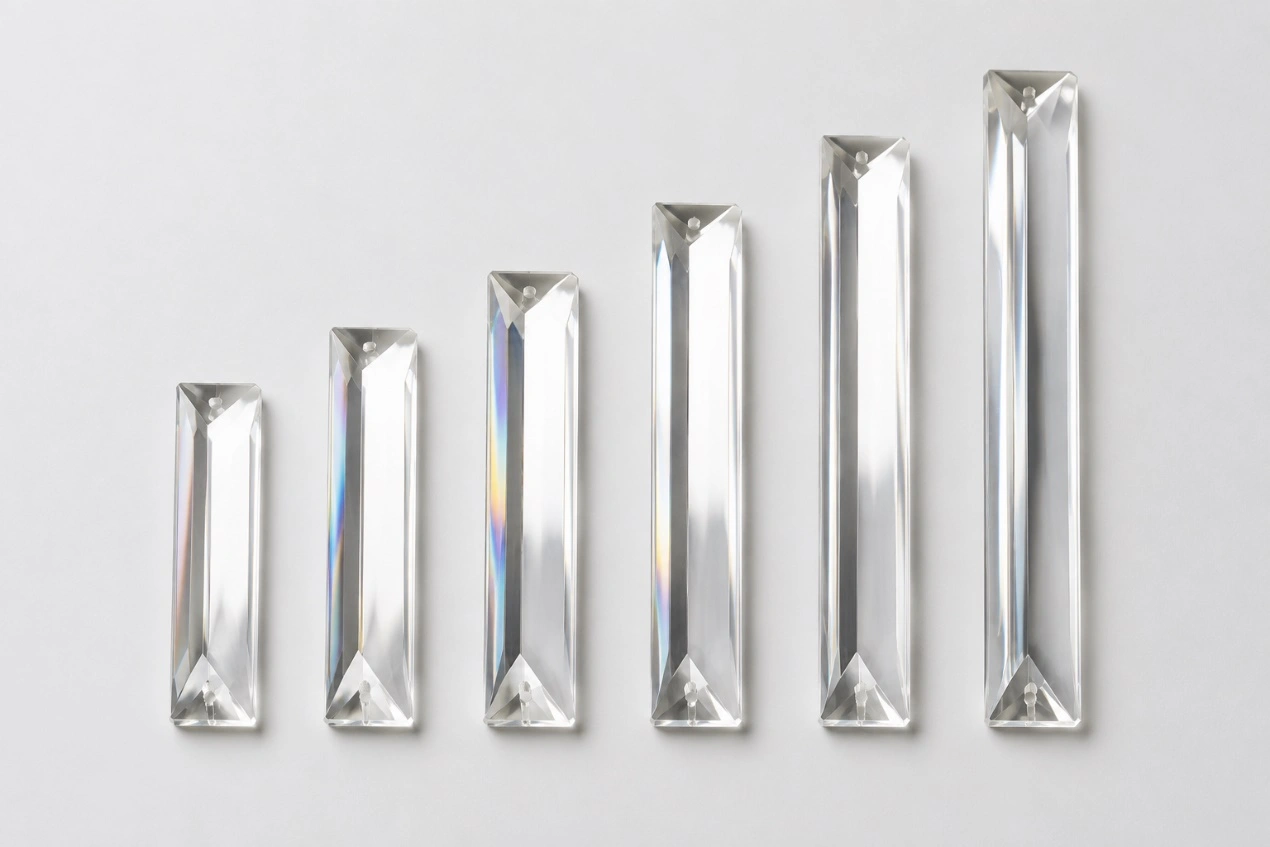
A specification sheet generally identifies the glass type (blown glass, pressed glass, bent glass), crystal type (K9 crystal, optical crystal, etc.), stone type (natural marble, engineered stone), material thickness, and color or texture requirements.
Glass Specifications
Typical requirements include: low-iron extra-clear glass can generally achieve visible light transmittance of approximately 91% or higher; bent glass should be fully annealed to prevent later cracking caused by residual stress; decorative blown glass should maintain a wall-thickness tolerance of ≤0.5 mm to keep the lighting effect consistent across the batch. Stone components should receive a sealing treatment to reduce staining, oil penetration, and long-term darkening. K9 high-transparency crystal can achieve light transmittance of 92% or higher.
For natural marble, some variation in veining and color should be accepted as a natural characteristic. However, the sample should be approved in advance to avoid disputes caused by pattern variation after mass production.
K9 Crystal Specifications
3) Surface Finish Specifications
Surface finish specifications determine the final color, gloss level, and durability of the fixture. They also affect salt-spray resistance, UV resistance, and color consistency.
Common specifications include the finishing process (Electroplating, Powder Coating, Painting, PVD), finish type (Polished, Brushed, Matte, Antique), color code (RAL, Pantone, or custom color reference), and Gloss Level. Typical requirements are shown below:
| Surface Finish | Typical Specification | Typical Performance Requirements | Typical Application |
| Standard Polyester Powder Coating | Coating thickness 60–80 μm | ΔE < 2; no exposed substrate, pinholes, obvious runs, or particles | Indoor commercial lighting |
| Super-Durable Polyester Powder Coating | Coating thickness 80–120 μm | UV-resistant and resistant to chalking; no obvious fading or loss of gloss after long-term sun exposure | Outdoor and coastal projects |
| PVD Vacuum Coating | Finish color and substrate type | High wear resistance, fingerprint resistance, and stable color | High-end residences and hotels |
| Hand-Applied Antique Finish | Antique color and approved sample reference | Color layering and rubbed finish range consistent with the approved sample | European-style and cultural tourism projects |
| Electroplating | Plating color, polished or brushed effect | Uniform gloss, with no pitting, exposed substrate, or obvious color difference | High-end indoor lighting |
For engineering projects, suppliers are usually required to provide a Finish Sample for approval. The approved sample should then serve as the color reference for mass production and final inspection, reducing the risk of color variation between batches.
4. Which Electrical Parameters Should Be Confirmed for Decorative Lighting?
Electrical specifications determine whether the fixture meets local power supply standards, lighting requirements, and control-system requirements. They are also one of the areas most likely to cause problems in international procurement because standards vary by market.
1) Voltage and Frequency
Different countries and regions use different power supply standards, so the Voltage and Frequency must match the target market.
Common power supply specifications include 120V/60Hz for North America, 220–240V/50Hz for Europe, and SELV solutions such as DC12V or DC24V, which are commonly used in decorative lighting. The specification sheet should distinguish between the fixture input voltage and the LED module operating voltage. For example, it should state “AC220V input, DC24V LED module” rather than simply “24V.”
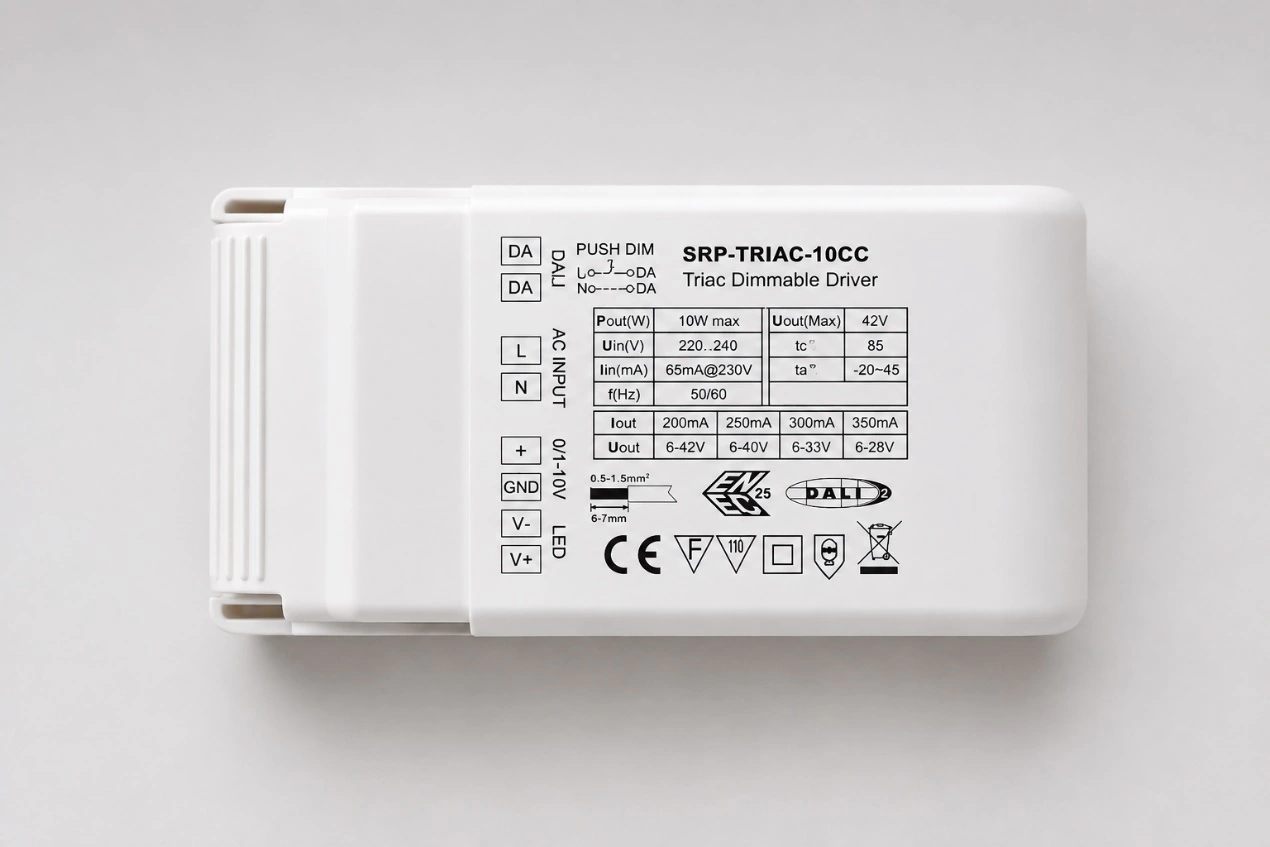
Electrical Specifications
Special areas such as swimming pools and bathrooms also require appropriate electric-shock protection measures based on the installation zone. Overall luminaire safety can refer to IEC 60598-1 and the applicable product-specific luminaire standards. Low voltage alone should not be used as the basis for determining safety.
If the driver, power supply, or control system is incompatible with the local mains supply, the fixture may still illuminate but can suffer from flicker, shortened service life, or driver failure. For this reason, export projects normally use a power supply configuration matched to the final country of installation.
2) Light Source Type
The specification sheet normally states which light source the fixture uses and whether it can be replaced during future maintenance.
Common types include Integrated LED, LED Bulb, E26 / E27 lamp holders, and replaceable lamp bases such as GU10 and G9.
Integrated LED allows a cleaner appearance and greater design flexibility, so it is widely used in modern decorative fixtures. Products with standard lamp holders are easier to maintain because a failed light source can be replaced without replacing the entire fixture.
3) Wattage, Luminous Flux, and Color Temperature
These three parameters work together to determine the lighting performance and are among the most important optical specifications in the specification sheet.
The specification sheet normally includes Wattage (W), Luminous Flux (Lumens), Color Temperature (Kelvin), and Color Rendering Index (CRI).
Wattage does not directly represent brightness. As LED efficacy continues to improve, different light sources with the same wattage can produce significantly different luminous flux. For engineering projects, luminous flux is therefore usually the more important parameter.
Color temperature determines the atmosphere of the space. Common options include:
- 2700K: warm yellow light, suitable for high-end residences and hotel guestrooms.
- 3000K: warm white light, commonly used in hotel lobbies, restaurants, and commercial spaces.
- 4000K: neutral white light, suitable for offices and public areas.
- Above 5000K: cool white light, mainly used for display or functional lighting.
For high-end decorative lighting, a CRI of 90 or above is generally recommended so that wood, stone, fabrics, and artwork render with more natural and accurate colors.
4) Dimming System Compatibility
Manufacturers normally specify the supported dimming method, such as Triac Dimming, 0–10V Dimming, DALI, Casambi, Zigbee, or DMX for large commercial and stage-lighting projects.
A dimmable fixture is not automatically compatible with every control system. For example, a DALI driver cannot be connected directly to a Triac dimming system, and controllers from different brands may also have compatibility issues.
For engineering projects, confirm during procurement that the fixture driver, power supply, and control system use the same protocol. This avoids situations where the installation is complete but the fixtures cannot dim correctly or the control system operates abnormally.
5. How Do Installation Specifications Affect a Project?
Installation specifications determine not only whether the fixture can be installed properly, but also the construction cost, future maintenance requirements, and operational safety.
1) Installation Method
Different types of decorative lighting use different installation methods. The specification sheet normally identifies the applicable method, such as Pendant Mounted, Ceiling Mounted, Wall Mounted, Recessed Mounted, or Floor Standing.
Each installation method has different site requirements. For example, a large chandelier normally requires an embedded steel structure or an independent load-bearing support rather than direct fixing to a standard gypsum-board ceiling. For wall lights, the junction box location and mounting height should be confirmed in advance to avoid conflicts with furniture or decorative finishes.
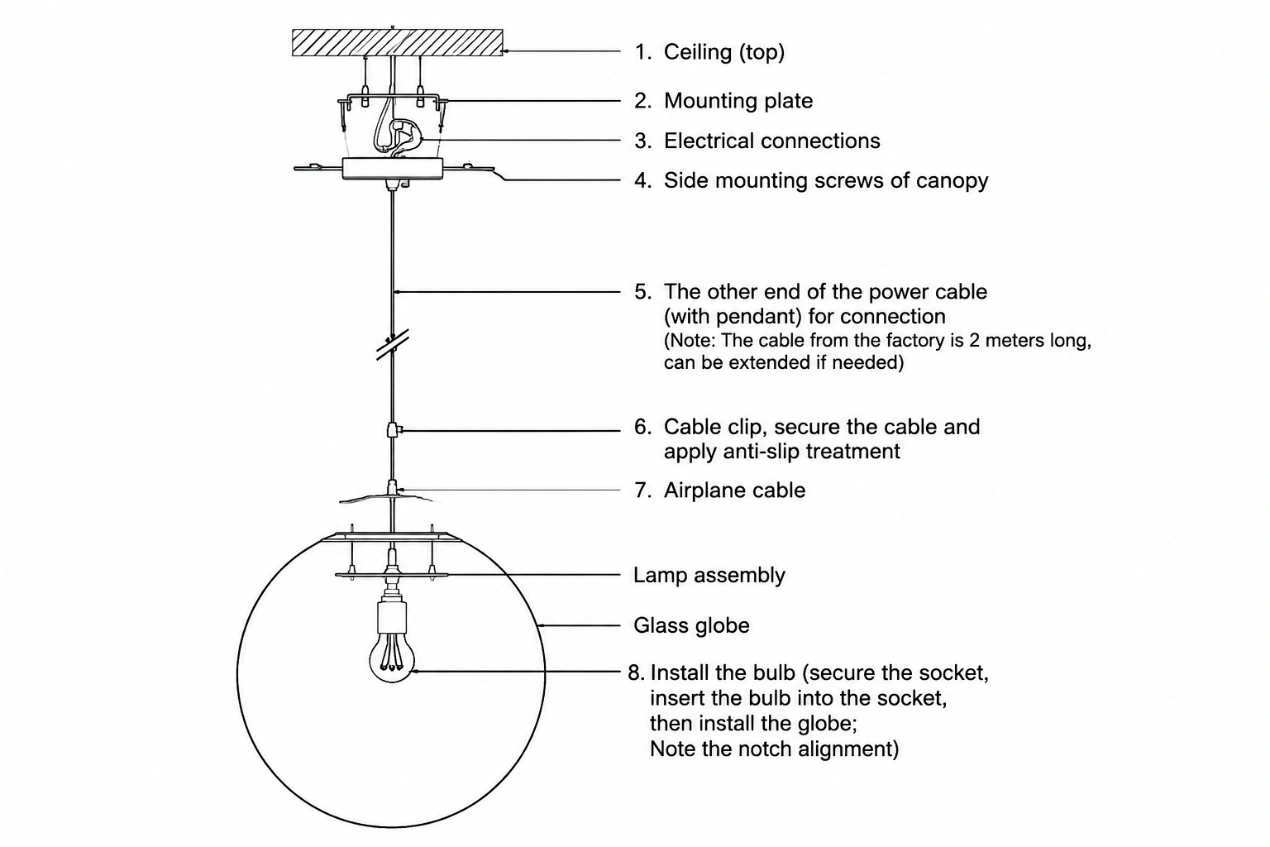
Lighting Installation Drawing
2) Fixture Weight and Load-Bearing Requirements
The specification sheet normally provides the Net Weight, Gross Weight, recommended load-bearing method, and installation fixing requirements.
For large chandeliers, the specification sheet should not provide only the total weight. It should also identify the number of suspension points, the design load at each point, the center of gravity, and the canopy structure. The fixture must not be supported directly by gypsum board or a decorative suspended ceiling. Whether the installation uses an embedded steel frame, anchors, or multiple suspension points should be determined by the site structural conditions and the load at each suspension point.
3) IP Rating and Installation Environment
The IP Rating indicates the fixture’s resistance to dust and water ingress and is an important basis for determining the suitable installation environment.
Common ratings include:
- IP20: suitable for dry indoor areas such as living rooms, bedrooms, and hotel guestrooms.
- IP44: suitable for bathrooms, corridors, and semi-open areas.
- IP65: suitable for outdoor areas, courtyards, landscape lighting, and locations exposed to rain over extended periods.
- IP68: suitable for swimming pools, water features, and underwater luminaires. In addition to the IP rating, the specification should also state the maximum installation depth, cable-entry sealing method, and driver location.
The IP rating only indicates the enclosure’s resistance to dust and water ingress. It does not mean the fixture has higher corrosion resistance. For example, even an IP65 fixture installed in a coastal environment may still corrode, fade, or suffer coating failure if the wrong metal material or surface finish is used.
4) Maintenance and Replacement Access
Many decorative fixtures require periodic cleaning, light-source replacement, or driver maintenance after installation. The specification sheet should therefore also address future access and maintenance conditions.
Key items to confirm include whether the driver can be removed and replaced independently, whether the LED module can be serviced later, whether shades, glass, or crystal components can be removed easily, and whether sufficient maintenance access or an access opening has been provided.
For example, large hotel chandeliers are often designed with removable modules or numbered installation assemblies. If a local glass piece, crystal component, or light source is damaged, maintenance staff can replace only the affected part instead of removing the entire fixture. This can significantly reduce long-term maintenance cost and operational downtime.
6. Which Specifications Should Be Confirmed Before Purchasing or Customizing Decorative Lighting?
Before placing a formal order, the specifications should be reviewed systematically.

Drawing Review Before Ordering
1) Does the Product Specification Meet the Project Requirements?
First, confirm that the fixture meets the actual requirements of the project. The following items should be checked carefully:
- Whether the product dimensions are proportionate to the space;
- Whether the fixture weight is within the building’s load-bearing capacity;
- Whether the materials, colors, and surface finishes comply with the design intent;
- Whether the lighting performance meets the lighting requirements of the space;
- Whether the installation method matches the site provisions.
For custom projects, use the approved technical drawings as the final basis for production. This helps prevent rework caused by later specification changes.
2) Do the Electrical Specifications Meet Local Standards?
Electrical specifications must meet the requirements of the target market. Confirm the following:
- Whether the input voltage and frequency match the local mains supply;
- Whether the light source and driver comply with local standards;
- Whether the dimming method is compatible with the project control system;
- Whether the plug, power cord, and wiring method comply with local regulations.
3) Are Custom Dimensions, Colors, or Installation Methods Required?
Common customization requirements include:
- Adjusting the fixture dimensions or number of tiers;
- Changing the suspension rod or cable length;
- Changing the metal color or surface finish;
- Changing the glass, crystal, or stone material;
- Adjusting the installation method and fixing structure;
- Customizing the voltage, dimming system, or light-source parameters.
All customization requirements should be confirmed during the quotation stage. Frequent design changes during production can affect both the delivery schedule and the project cost.
4) Checklist for Confirming Specifications with the Manufacturer
Before placing the formal order, confirm each item in the following checklist:
| Inspection Item | Recommended Information to Confirm |
| Product Dimensions | Length, width, height, weight, suspension cable length, mounting dimensions |
| Material Specifications | Metal, glass, crystal, stone, and surface finish |
| Electrical Specifications | Voltage, wattage, color temperature, CRI, dimming method |
| Installation Specifications | Installation method, load-bearing requirements, installation drawings |
| Packaging Specifications | Package dimensions, transportation method, site handling requirements |
| Certification and Compliance | Whether UL, ETL, CE, RoHS, and other requirements comply with the target market |
For certification and compliance requirements in different markets, refer to our “Decorative Lighting Certification Guide: UL, ETL, CE, RoHS, and Compliance Requirements” for applicable markets and key procurement considerations.
7. How to Read a Decorative Lighting Specification Sheet
When reviewing a specification sheet, do not focus only on appearance, wattage, and voltage. Check whether each parameter is clearly defined and whether measurable acceptance criteria are provided. The following three typical examples illustrate common issues.
1) Type One: Ambiguous Parameter Definitions
Case 1 – Original specification: LED power 30W, color temperature 3000K, high color rendering.
Problem Analysis
“30W” does not specify whether it refers to the LED module power or the total luminaire input power. If 30W refers to the LED output side, the total input power will be higher after driver losses are included, which will also affect thermal design and electrical load calculations. Recommended specification: total luminaire system power 30W ±5%;
“3000K” does not define an allowable color temperature tolerance. Fixtures installed in the same space may therefore show noticeable warm/cool variation and create an uneven visual effect;
“High color rendering” provides no numerical requirement. It should specify CRI Ra ≥90 and R9 >50 for restaurants, hotel guestrooms, and spaces where accurate skin tone, wood, and fabric rendering is important.
Improved specification: Total luminaire input power 30W ±5%, color temperature 3000K ±50K, CRI Ra ≥92, R9 ≥50.
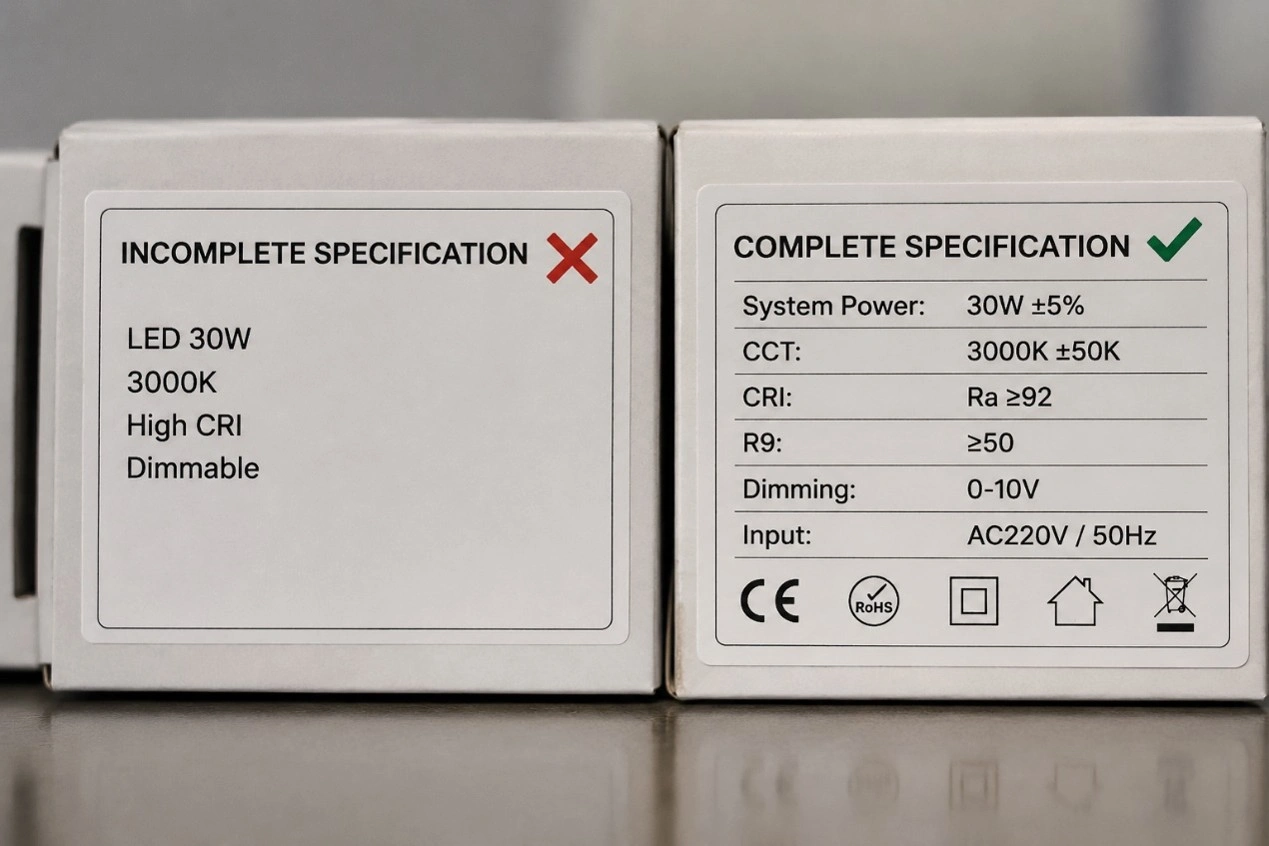
Ambiguous Parameter Definitions
2) Type Two: Finish Description Without Acceptance Criteria
Case 2 – Specification: Surface finish: black metal coating.
Problem Analysis
The specification does not distinguish between polyester powder coating and fluorocarbon coating, nor does it define coating thickness or salt-spray requirements. A supplier may deliver a standard thin paint coating that fades after six months of outdoor use.
Improved specification: Outdoor-grade super-durable black polyester powder coating, coating thickness 80–120 μm; batch color difference ΔE <2; surface free from exposed substrate, pinholes, peeling, and obvious runs.
3) Type Three: Incomplete Electrical and Dimming Parameters
Case 3 – Specification: 220V, dimmable LED.
Problem Analysis
The specification does not define the luminaire class, driver isolation requirements, or dimming protocol. As a result, the fixture cannot be properly matched with the intelligent control system and is highly likely to experience flicker.
Improved specification: Class II LED luminaire using a compliant isolated driver, input AC220V, 50Hz; supports 0–10V dimming with a dimming range of 5%–100%, with no visible flicker; driver complies with IEEE 1789 flicker requirements.
8. Conclusion
A decorative lighting specification sheet should clearly define the dimensions, materials, surface finishes, electrical configuration, and installation conditions, and it should remain consistent with the final approved drawings. For custom projects, the clearer the specification, the easier it is to manage quotation, production, installation, and final acceptance.
Postmodern Lighting can provide specification review, material and finish recommendations, electrical configuration, technical drawings, and custom quotations based on your drawings, target market, and site installation conditions.