The quality of decorative lighting depends not only on design and material selection, but also on the manufacturing process. Every production step—from forming brass arms and processing glass to surface finishing and final assembly—directly affects the fixture’s structural strength, decorative appearance, service life, and production cost.
For projects such as hotels, commercial spaces, and high-end residential developments, understanding the characteristics of different manufacturing processes helps buyers and designers evaluate product quality and select the most suitable production solution for specific project requirements. This article from Postmodern Lighting explains the standard manufacturing workflow and the major fabrication processes used in decorative lighting, and analyzes how each process influences product quality and project delivery.
1. What Is the Manufacturing Process for Decorative Lighting?
From design drawings to final delivery, a decorative lighting fixture typically goes through several stages, including raw material preparation, component fabrication, surface finishing, assembly, and quality inspection. Unlike standard mass-produced lighting, decorative fixtures often feature irregular shapes, thin-wall structures, and artistic designs, requiring additional operations such as precision shaping and customized surface finishing.
Lighting Fixture Manufacturing
1) Raw Material Preparation
Manufacturing starts with raw material preparation. Based on the product design, manufacturers select materials such as brass, stainless steel, aluminum alloy, glass, crystal, marble, and wood. Incoming materials are then inspected for dimensions, composition, surface defects, and color consistency.
For example, brass is typically tested for its copper-to-zinc ratio. Natural marble is inspected for grain pattern and cracks, while glass is checked for bubbles, inclusions, and light transmission consistency.
Select metal materials according to the forming process, structural strength requirements, and service environment. For example, 6063 aluminum alloy is suitable for extrusion profiles, while 304 stainless steel is commonly used for indoor structural components. For coastal or high-humidity environments, evaluate the use of 316 stainless steel according to project requirements. High-transparency ultra-clear glass is typically used for glass components, with a light transmittance exceeding 91%. Stone components are generally manufactured from natural marble or engineered quartz.
2) Component Fabrication
After incoming inspection, each material proceeds to its designated fabrication process. Standard components with regular geometries are manufactured using mechanical processes such as sheet metal fabrication, CNC machining, and tube bending. Irregular artistic components are typically produced by casting, metal spinning, or hand forging. Light-transmitting components are fabricated through hot bending, glass blowing, or glass pressing, while stone components require cutting, drilling, and polishing.
The selected manufacturing process determines the achievable geometry, machining accuracy, and production cost of each component. For example, complex decorative brass parts are typically manufactured by casting, while regular metal connectors are more commonly CNC-machined to achieve higher dimensional accuracy.
3) Surface Finishing and Product Assembly
Surface finishing determines the fixture’s appearance and weather resistance, while the assembly process determines the stability of the finished product. These are key processes that distinguish decorative lighting from standard lighting products. After component fabrication, manufacturers apply surface treatments such as electroplating, powder coating, brushing, polishing, or antique finishing.
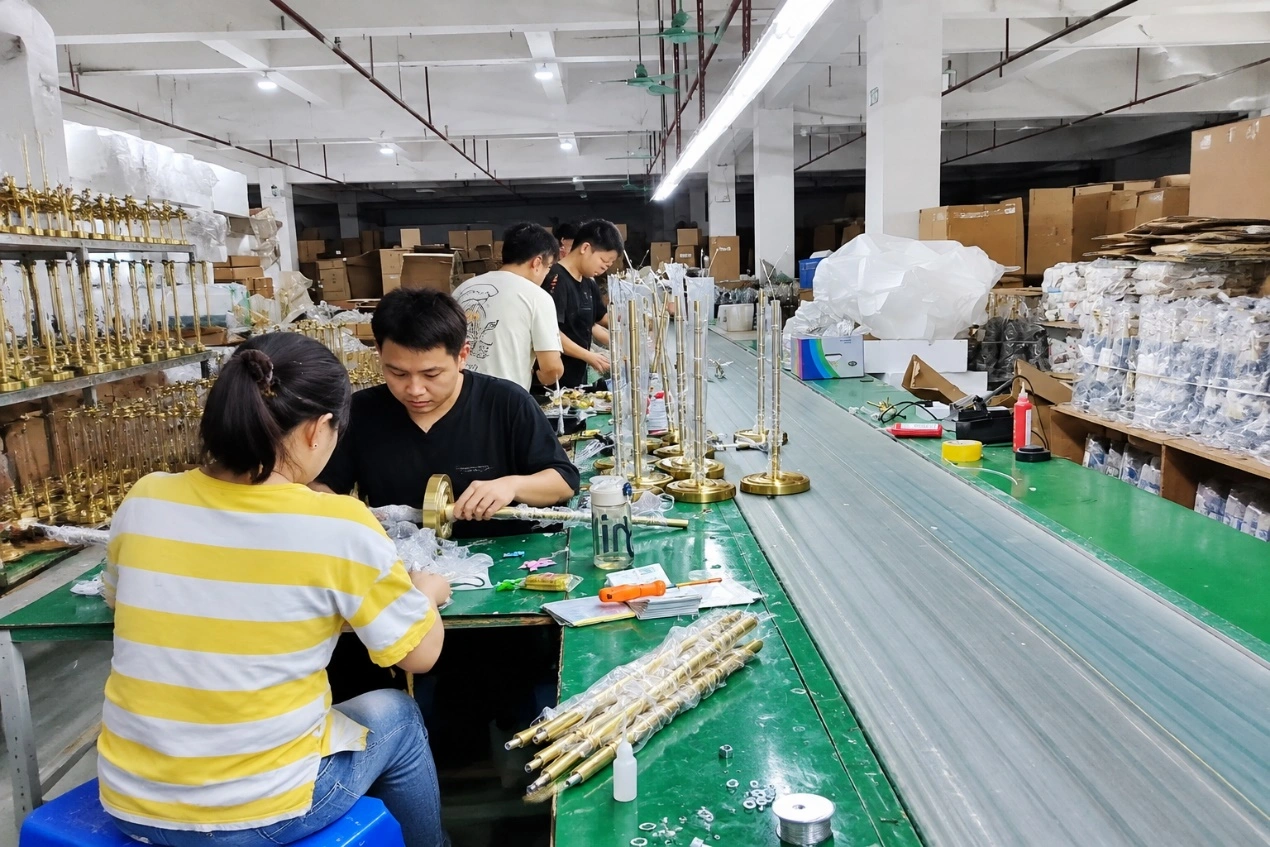
The fixture then enters final assembly, including mechanical assembly, electrical wiring, light source installation, and functional commissioning. Large chandeliers also require pre-assembly to verify the fit and alignment of all components before being disassembled for packaging and transportation.
4) Quality Inspection
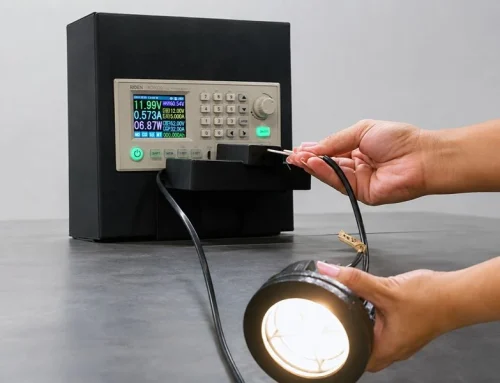
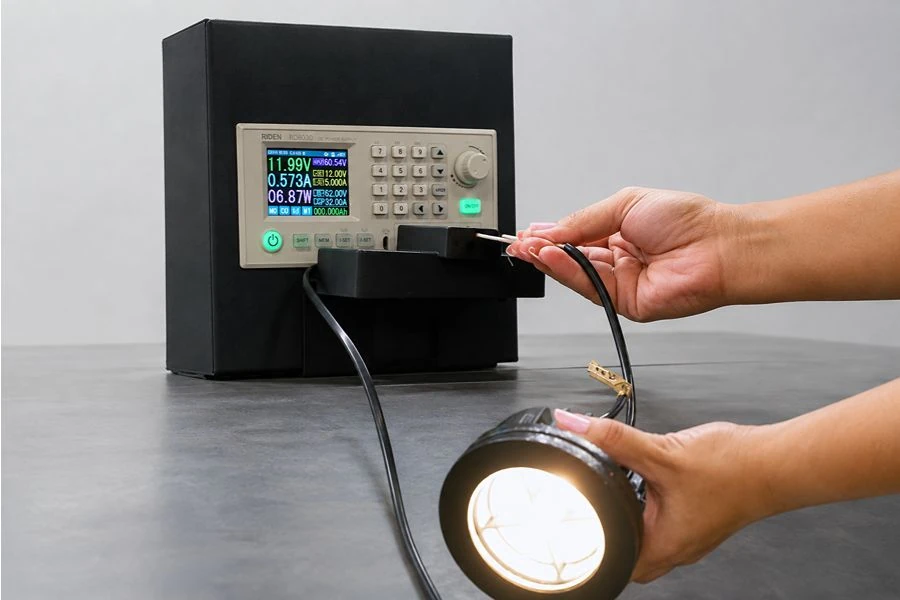
After assembly, the finished product normally undergoes a series of appearance, electrical, and structural inspections. These include dimensional measurement, power-on testing, insulation testing, grounding testing, visual inspection, and packaging inspection. For export products, the manufacturer must also complete the required tests or provide certification documents in accordance with the regulations of the destination market. Only products that pass the final inspection can proceed to packaging and shipment.
Appearance inspection: The surface must be free from obvious scratches, coating runs, and visible color variation. Color difference within the same production batch should be controlled to ΔE < 2. Structural inspection: Complete suspension load and deformation resistance tests. Optical inspection: Verify that the correlated color temperature (CCT), color rendering index (CRI), and light output comply with the approved specifications. Weather resistance inspection: For products intended for outdoor or high-humidity environments, perform high-temperature aging and salt spray tests according to project requirements.
2. What Are the Common Metal Manufacturing Processes Used in Decorative Lighting?
Metal structures form the main body of decorative lighting fixtures. The manufacturing process directly affects design complexity, structural strength, machining accuracy, and production cost. Depending on the product design and production volume, manufacturers typically select casting, sheet metal fabrication, CNC machining, tube bending, metal spinning, or a combination of multiple processes to manufacture the fixture.
1) Casting
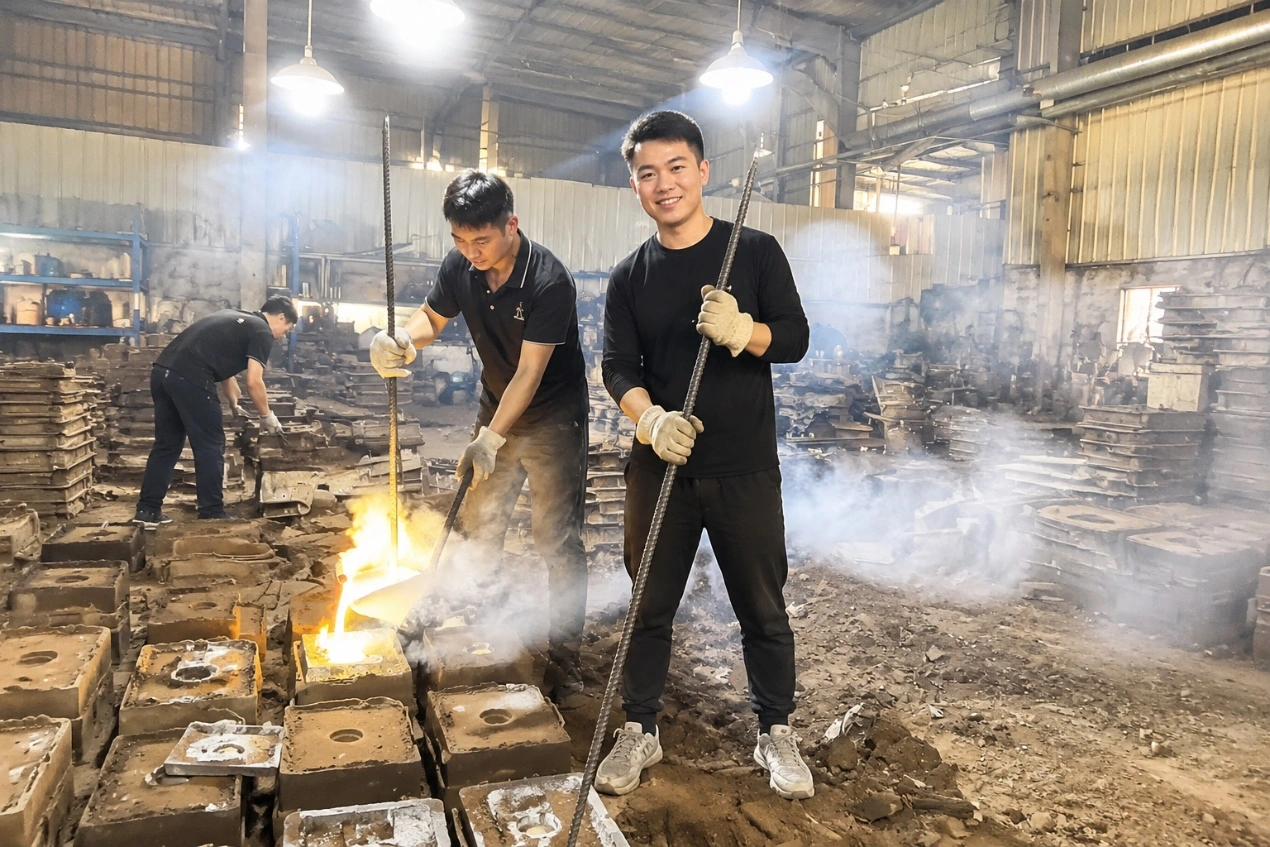
Casting is one of the most widely used metal forming processes in decorative lighting, especially for brass and aluminum alloy components. By pouring molten metal into a mold, manufacturers can form complex three-dimensional structures in a single operation. This process is particularly suitable for lighting fixtures with sculptural forms and intricate decorative details.
Compared with welding or machining, casting can produce complex openwork designs, irregular curved surfaces, and one-piece integrated structures without welded joints. It is widely used for European-style lamp arms, decorative ornaments, animal-shaped components, and irregular connectors. However, mold development requires a relatively high initial investment, making casting more suitable for medium- and high-volume production.
Lighting Fixture Casting Process
Process Parameters: The typical melting temperature is approximately 1100–1150°C for brass and 660–700°C for aluminum alloys. The dimensional tolerance of cast decorative components is typically within ±0.5–1.0 mm.
Applicable Products: Crystal chandeliers, European-style chandeliers, brass chandeliers, and large hotel lobby chandeliers.
2) Sheet Metal Fabrication
Sheet metal fabrication forms metal sheets into different shapes through processes such as laser cutting, stamping, bending, and welding.
Compared with casting, sheet metal fabrication requires lower tooling investment and offers higher production efficiency, making it particularly suitable for modern minimalist lighting fixtures.
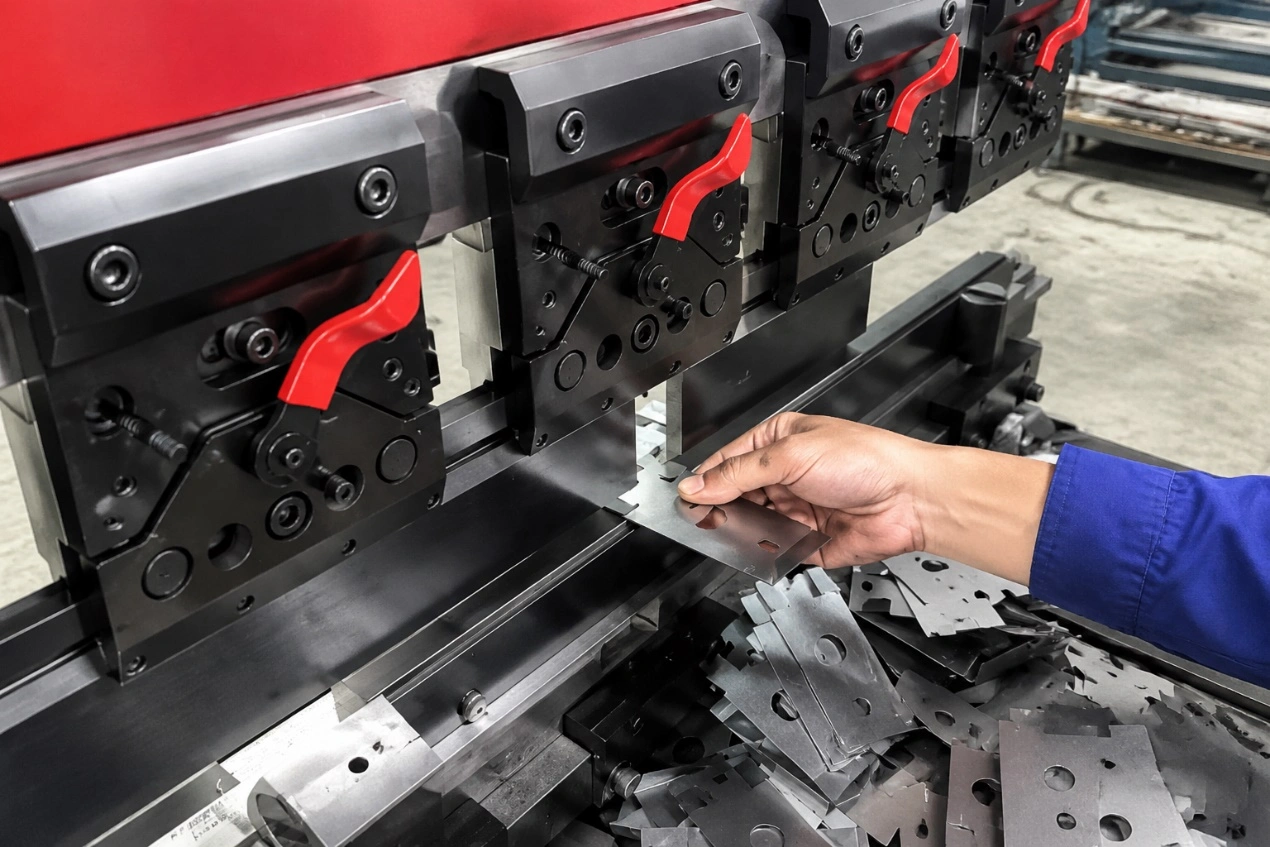
Lighting Fixture Sheet Metal Fabrication
Because sheet materials have uniform thickness and provide high machining accuracy, many modern wall lights, ceiling lights, and linear pendant lights use sheet metal structures. The main advantages are controllable production cost and excellent batch consistency. The limitation is that complex curved surfaces cannot be formed directly. Irregular shapes usually require multiple sections to be joined together, leaving slight joint lines.
Process Parameters: Laser cutting accuracy can typically be controlled within approximately ±0.1 mm, while CNC bending angle deviation can be maintained within 0.5°.
After bending and welding, inspect the overall dimensions, hole locations, perpendicularity, and welding deformation.
Applicable Products: Wall lights, ceiling lights, linear pendant lights, and modern decorative lighting fixtures.
3) CNC Precision Machining
CNC machining uses computer-controlled machine tools to cut metal with high dimensional accuracy and superior surface quality. It is commonly used for connectors, mounting components, lamp holders, threaded parts, and other precision components. Although CNC machining involves relatively high processing costs, it effectively controls assembly tolerances and improves product consistency, making it widely used in high-end custom lighting.
Process Parameters: Repeat positioning accuracy ±0.02 mm, dimensional tolerance ±0.1 mm, surface roughness Ra ≤ 1.6 μm.
Applicable Products: High-end brass lighting fixtures, custom lighting fixtures, and precision connectors.
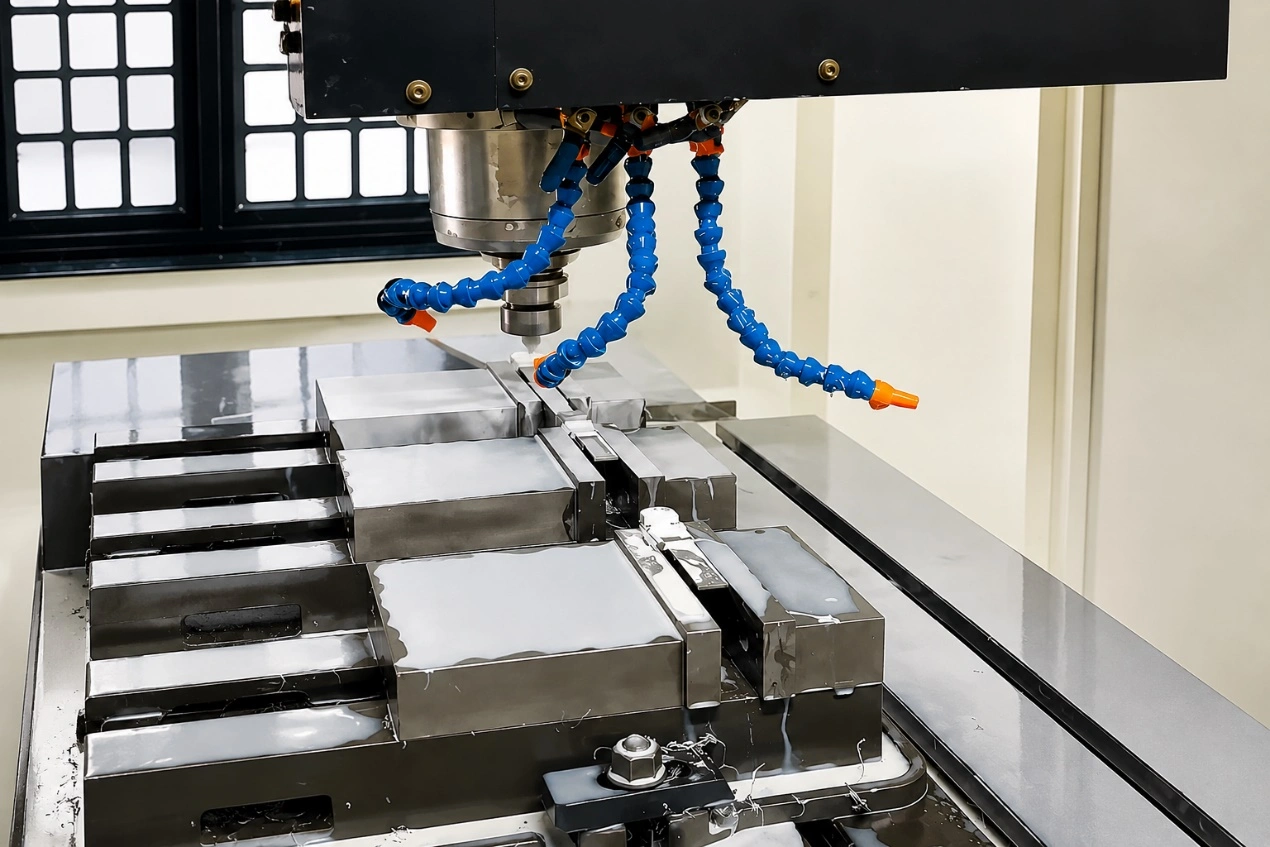
Lighting Component CNC Machining
4) Tube Bending
Tube bending uses dedicated equipment to form metal tubes into different angles and radii. It is one of the most common fabrication processes used in modern decorative lighting. Compared with welding multiple straight tube sections together, one-piece bent tubes provide smoother lines while reducing the number of welded joints.
Different bending radii and fabrication accuracy directly affect the overall appearance and installation accuracy of the fixture. Manual tube bending can easily cause wall thinning and uneven curvature. CNC automatic tube bending with mandrel support significantly improves bending quality and helps maintain the clean, flowing appearance required for streamlined lighting fixtures.
Applicable Products: Modern chandeliers, floor lamps, reading lamps, and artistic decorative lighting fixtures.
For continuous curved structures, insufficient bending accuracy can easily result in asymmetry or installation deviation after multiple lamp arms are assembled. High-end projects therefore normally include an additional trial assembly process.
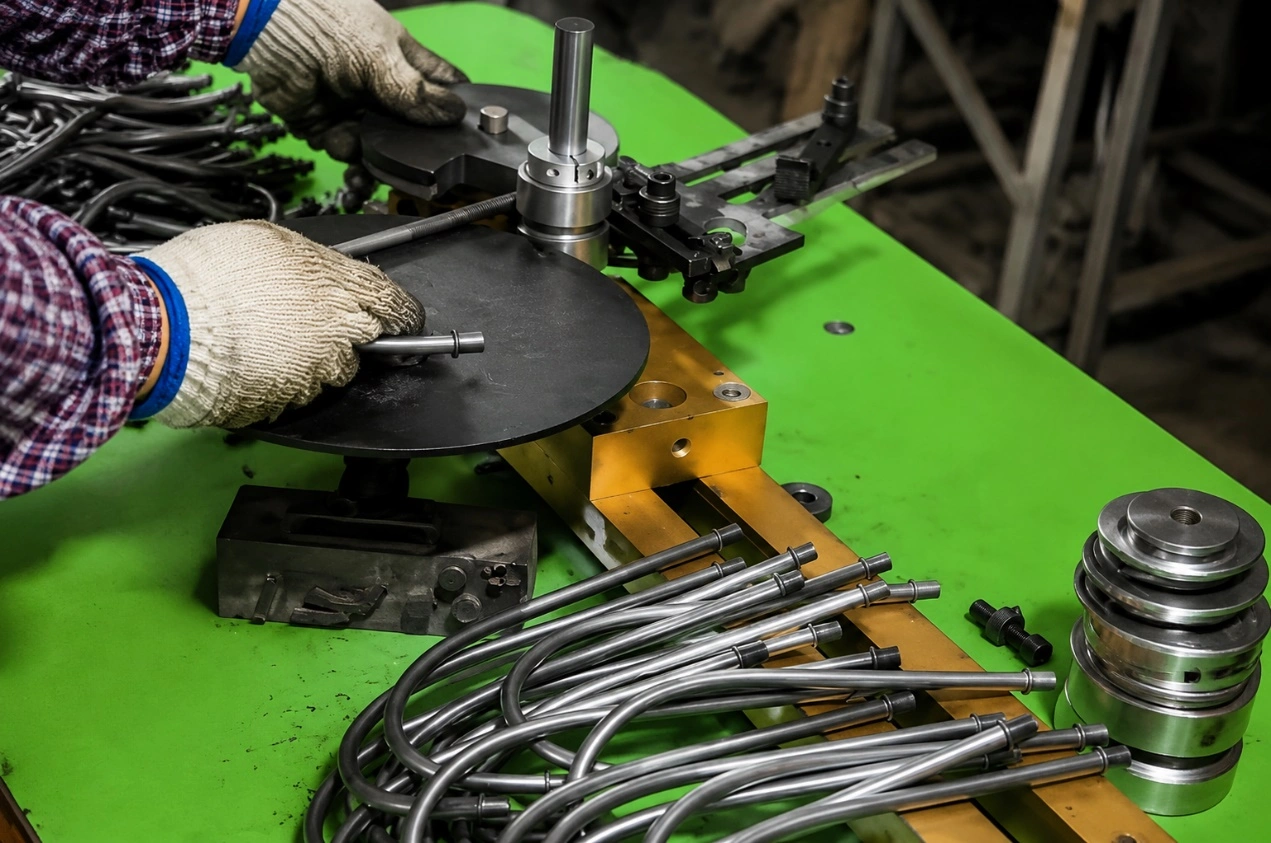
Lighting Fixture Tube Bending
5) Metal Spinning
Metal spinning forms sheet metal by pressing it against a high-speed rotating mandrel until it gradually conforms to the required profile. This process is particularly suitable for manufacturing round, conical, and hemispherical lampshades. Compared with casting, spun components are lighter, achieve higher material utilization, and provide better surface quality. However, metal spinning is best suited for axisymmetric structures. More complex geometries generally require additional fabrication processes.
Applicable Products: Metal lampshades, pendant lights, restaurant pendant lights, and industrial-style lighting fixtures.
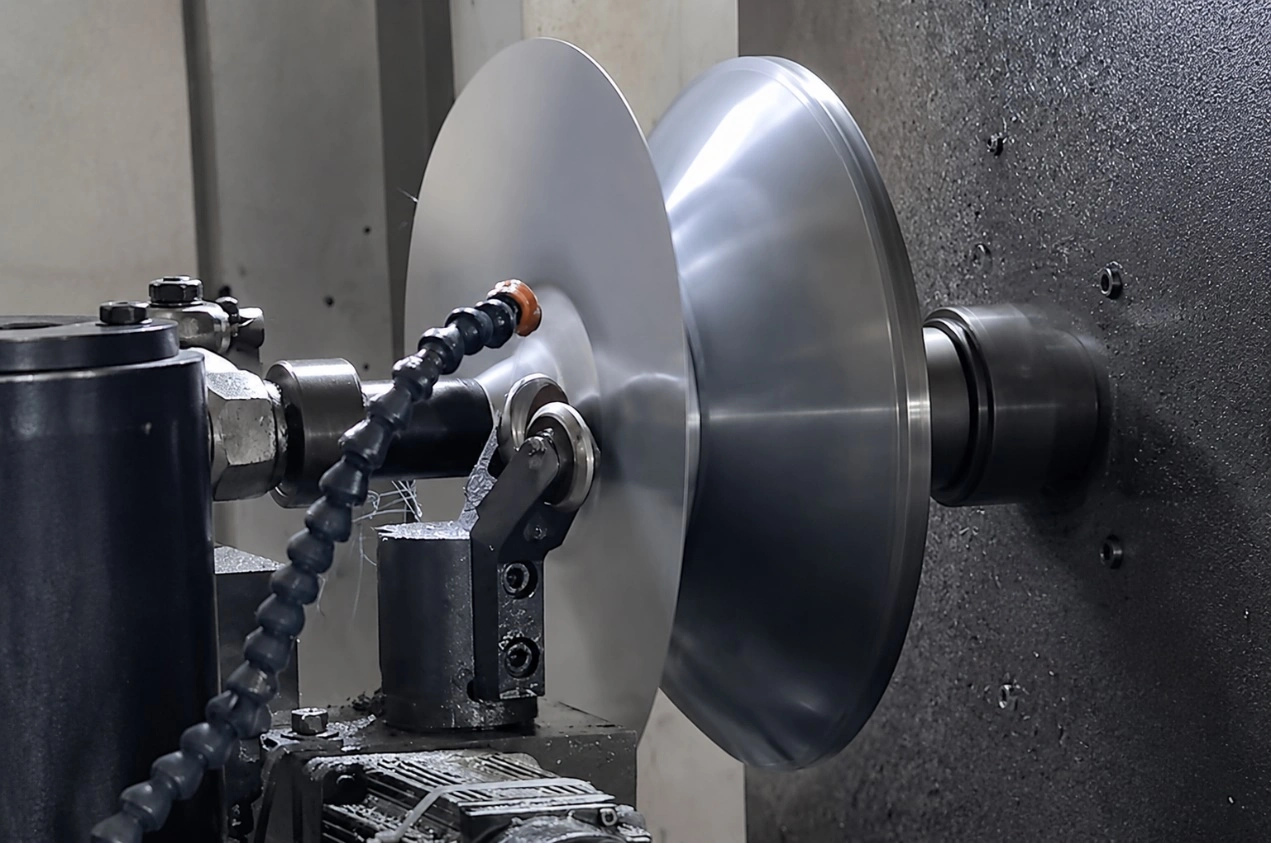
Lamp holder metal spinning
3. Processing Technologies for Glass, Stone, and Other Decorative Materials
In addition to metal structures, glass, natural stone, and crystal are among the most commonly used decorative materials in decorative lighting. Each material requires a different manufacturing process, which affects not only the fixture’s appearance but also its light transmission, weight, durability, and production cost.
1) Blown Glass
Blown glass is formed by manually or mechanically blowing molten glass into shape, creating natural, flowing forms with strong artistic character. Because every piece has slight variations, blown glass is widely used in high-end custom lighting and artistic decorative fixtures.
Compared with pressed glass, blown glass can produce freer curves, varying wall thicknesses, and natural textures. However, it offers lower dimensional consistency, slower production efficiency, and requires highly skilled craftsmanship.
Applicable Products: Artistic chandeliers, modern glass chandeliers, and custom lighting for hotel projects.
Blown glass is a handcrafted product. Minor variations in thickness, texture, and bubble distribution within the same production batch are normal process characteristics rather than quality defects.
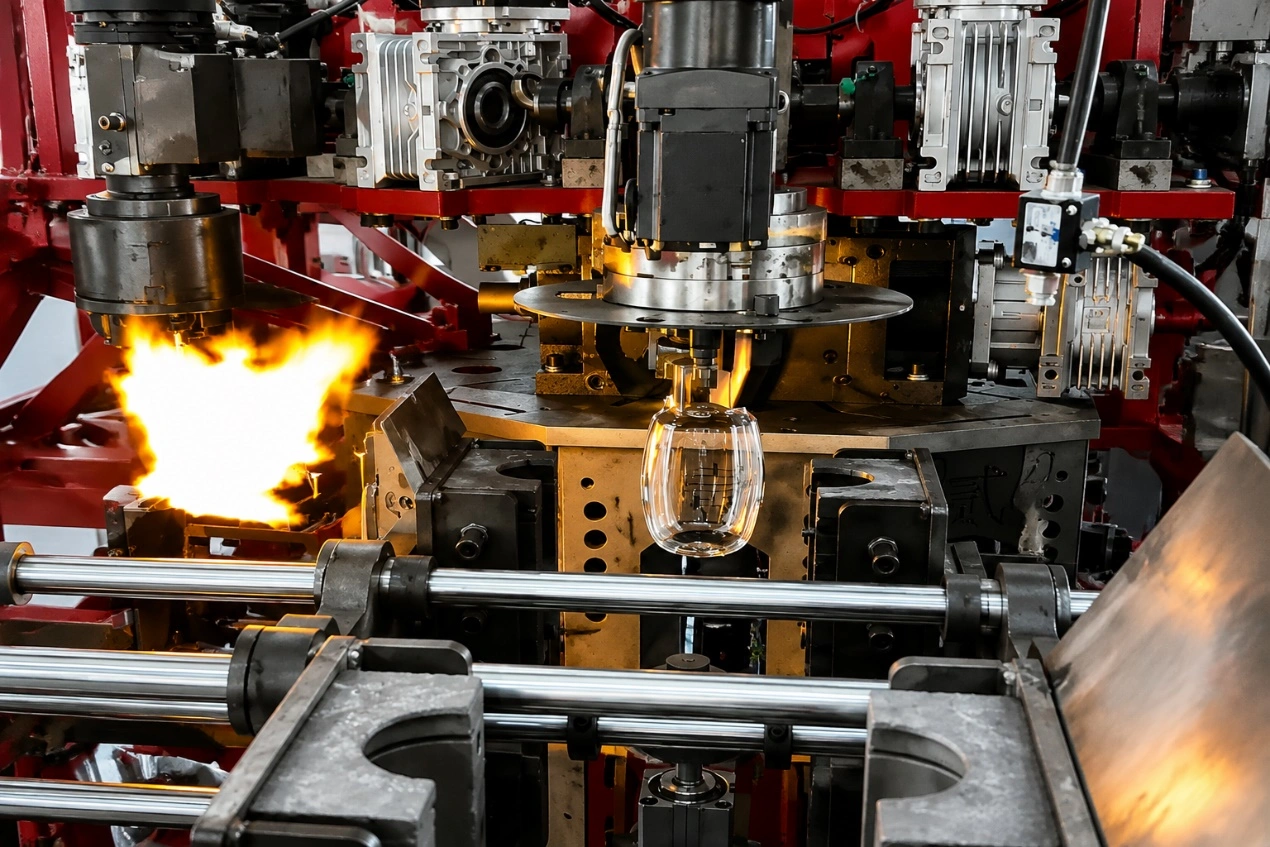
Blown Glass Manufacturing
2) Pressed Glass
Pressed glass is formed in a single pressing operation using a mold. It is well suited for patterned glass shades, louvered light-diffusing fixtures, and other standardized glass components requiring high dimensional consistency. Compared with blown glass, pressed glass provides better dimensional control, higher production efficiency, and lower manufacturing cost, making it ideal for large-scale production.
Applicable Products: Wall lights, ceiling lights, hotel guestroom lighting, and large-volume project applications.
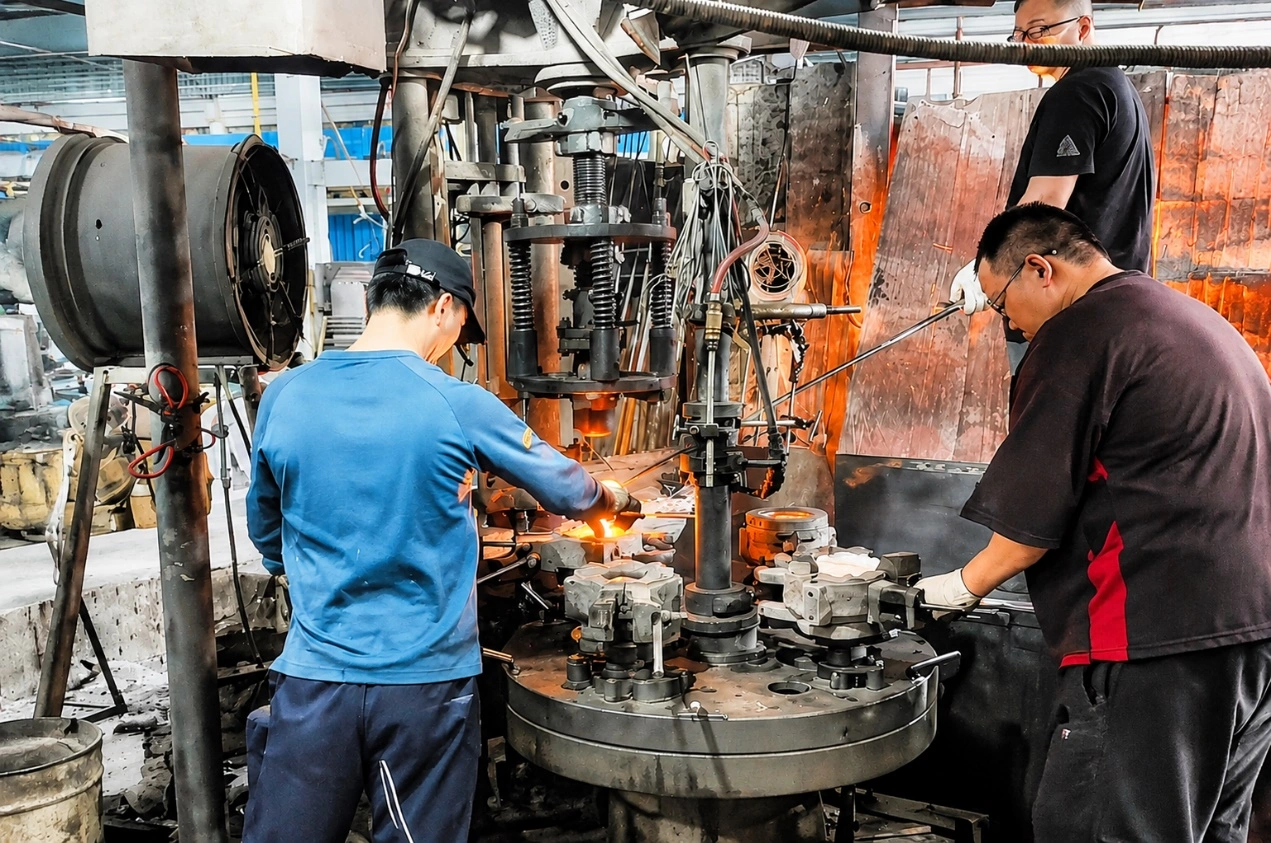
Pressed Glass Manufacturing
3) Bent Glass
Bent glass is produced by heating flat glass to its softening point and forming it into the required curved profile. This process can create arcs, wave shapes, and other complex curved surfaces. Compared with flat glass, bent glass offers greater design flexibility and is widely used in modern artistic lighting and commercial decorative lighting.
Glass cutting, drilling, and other machining operations must normally be completed before thermal bending. Therefore, all dimensions must be fully verified before production begins to avoid costly rework of an entire production batch.
Applicable Products: Modern chandeliers, artistic decorative lighting, and commercial lighting fixtures.
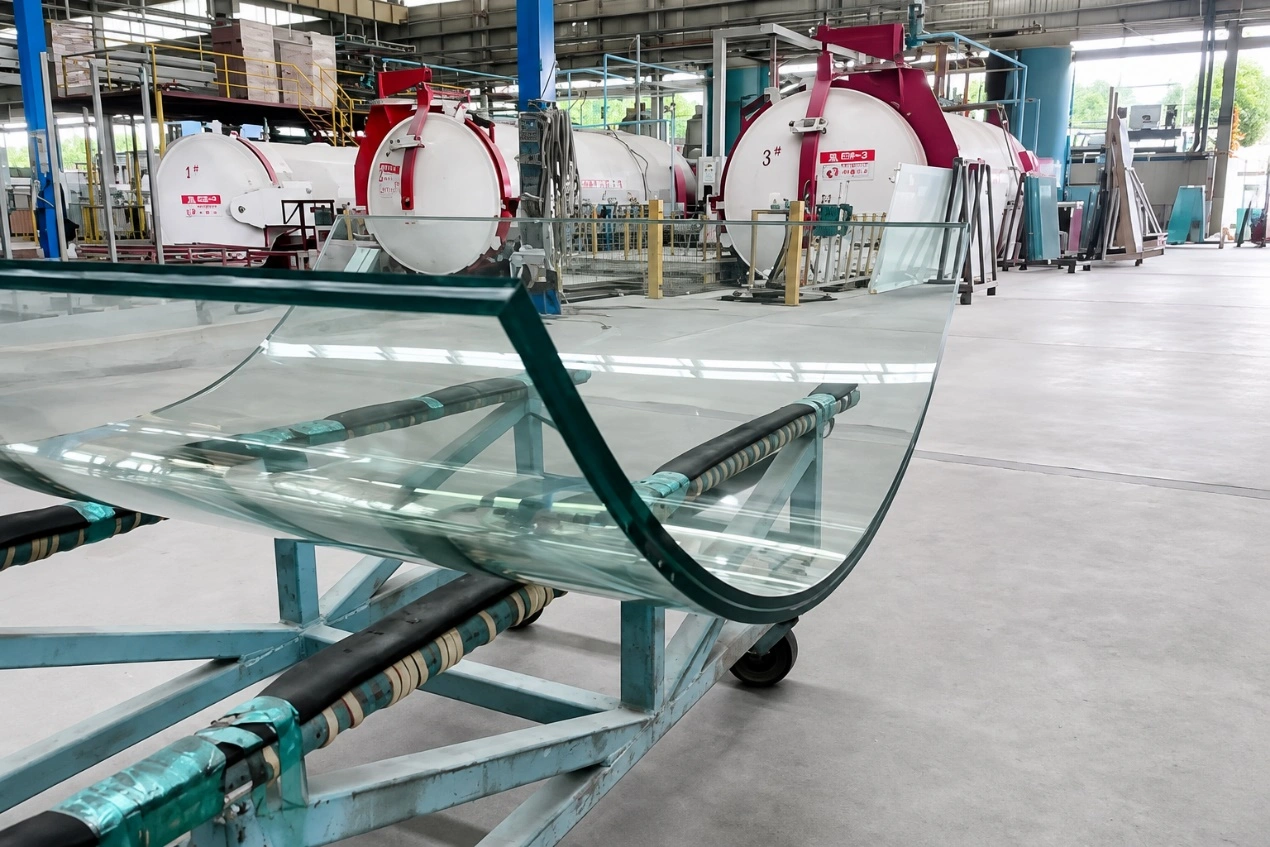
Bent Glass
4) Marble Cutting and Polishing
Natural marble is typically processed through cutting, drilling, chamfering, and polishing before it is fabricated into lampshades, bases, or decorative components. Because every slab of natural stone has a unique grain pattern, variations in color and veining are unavoidable. High-end projects therefore normally require approval of physical samples before production. Manufacturers should also apply a protective sealer to prevent long-term staining, yellowing, or discoloration.
Process Flow: CNC waterjet cutting → chamfering and edge finishing → coarse grinding → fine grinding → final polishing → protective sealing treatment.
For flat stone components, finished flatness can generally be controlled within 0.3 mm/m. Polished surfaces can achieve a gloss level above 85 GU while remaining free from scratches and edge chipping.
Applicable Products: Table lamps, wall lights, floor lamps, and high-end decorative lighting fixtures.
5) Crystal Processing
Decorative lighting commonly uses K9 crystal, optical crystal, and natural crystal. Each material requires cutting, edge grinding, polishing, and drilling. Higher machining accuracy produces better light refraction and brilliance, although it also increases production cost.
Core Processes: CNC precision cutting → manual beveling → multi-stage polishing → ultrasonic cleaning.
High-quality finished K9 crystal can achieve a light transmittance above 90%, producing clear, brilliant light without color impurities or dark areas.
Applicable Products: Crystal chandeliers, banquet hall chandeliers, and hotel lobby lighting.
When purchasing crystal lighting, pay close attention to cutting accuracy, polishing quality, and crystal material. High-quality crystal provides more uniform light refraction, while lower-grade crystal is more likely to appear cloudy, produce weak light dispersion, or show inconsistent color.
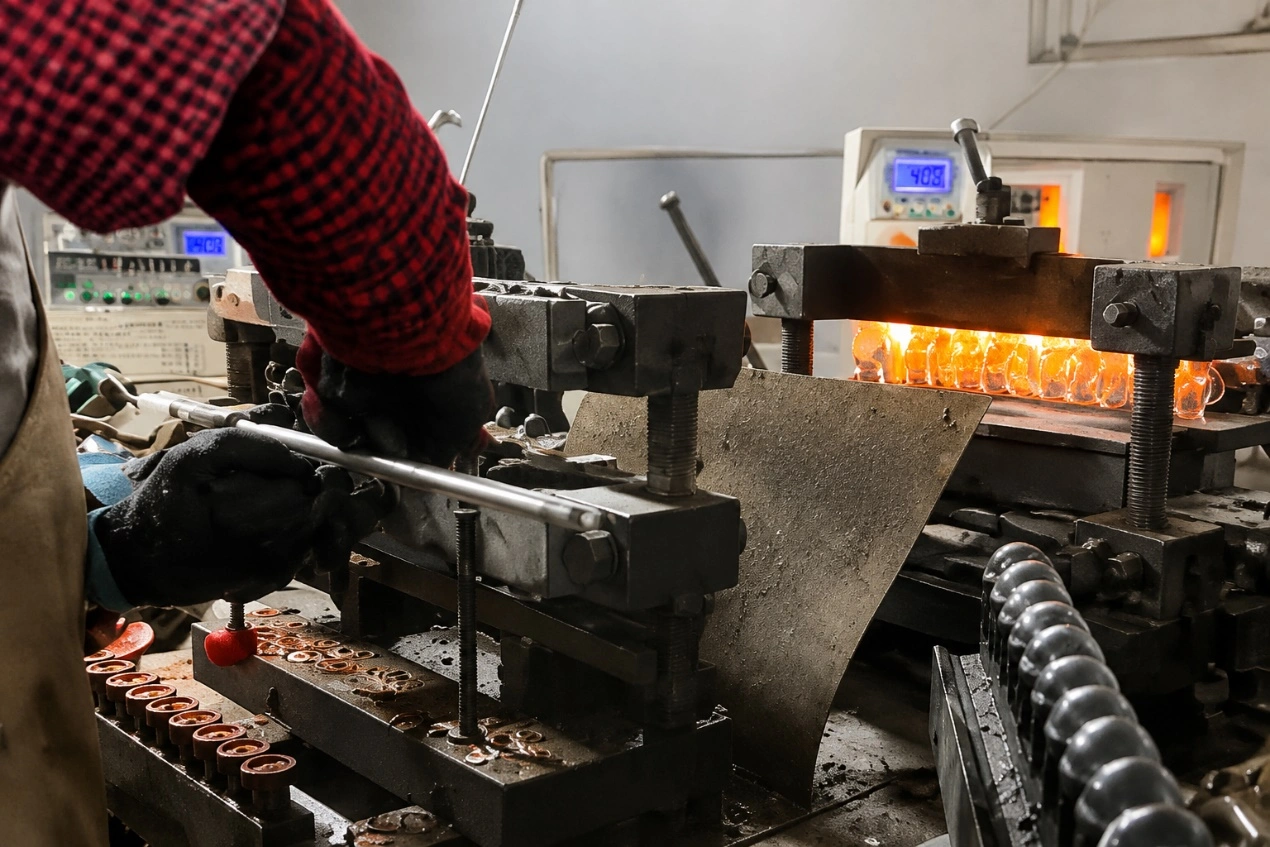
Crystal Manufacturing
4. Which Manufacturing Processes Still Require Manual Work?
Although laser cutting, CNC machining, and automated welding have mechanized the production of most decorative lighting components, many critical operations in high-end custom lighting still rely on skilled craftsmanship to achieve the required level of detail, finish quality, and assembly precision.
1) Hand Welding
For fixtures with complex geometries or custom low-volume production, hand welding remains the most common joining method. Experienced welders adjust welding techniques according to different materials and structural requirements to minimize weld distortion and improve overall structural strength.
Compared with robotic welding, hand welding is better suited for irregular curved surfaces, openwork joints, confined spaces, and thin-wall precision components. However, it also demands a much higher level of operator skill.
Applicable Products: Brass chandeliers, artistic lighting fixtures, and custom hotel lighting.
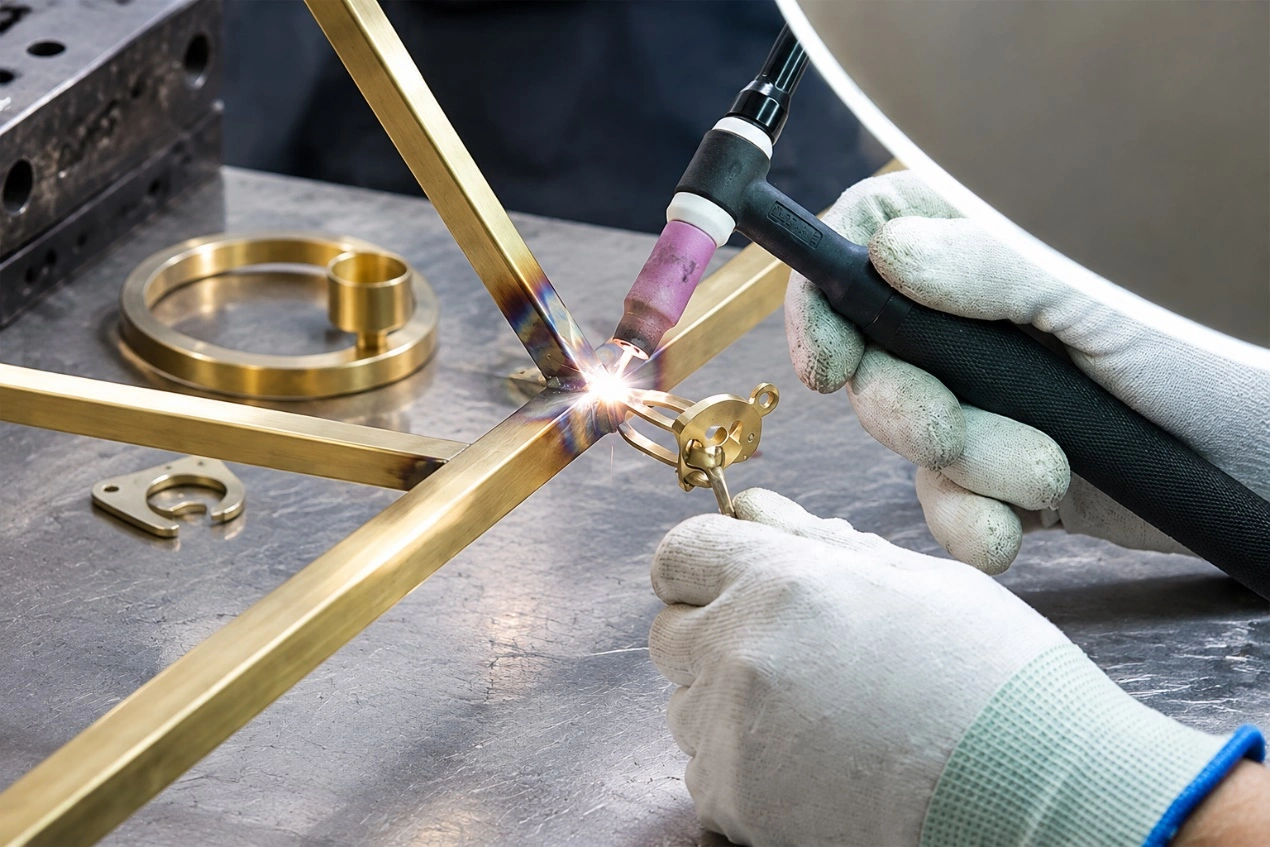
Hand Welding
2) Hand Grinding and Polishing
Grinding and polishing directly determine the gloss level and surface texture of metal components, making them among the most difficult processes to fully automate. Complex curved surfaces, decorative carvings, and intricate structures still require skilled technicians to finish each area by hand.
For electroplated or PVD-coated products, inadequate polishing will remain visible even after a high-quality coating is applied. Surface defects such as ripples, pinholes, and uneven reflection may still appear.
For complex brass lighting fixtures, blending welded joints, refining curved surfaces, and finishing edges often take more time than the welding process itself. These preparation steps also have a direct impact on the flatness and appearance of the final electroplated or PVD finish.
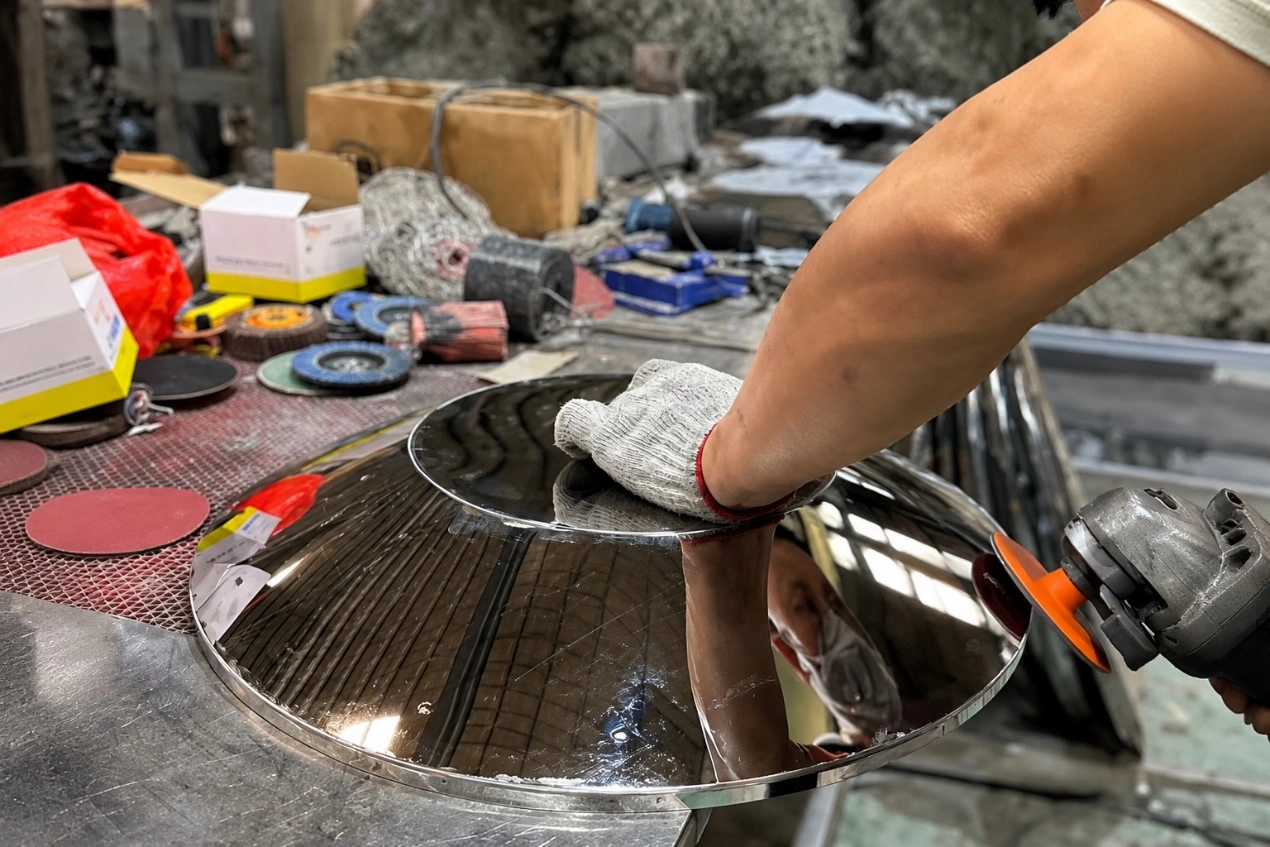
Hand Grinding and Polishing
3) Hand Assembly
Large chandeliers, crystal chandeliers, and custom lighting fixtures are typically assembled by hand. In addition to assembling the metal structure, technicians install and adjust crystal pendants, glass shades, electrical wiring, and decorative components.
For multi-tier chandeliers, the entire fixture must also undergo a trial assembly to verify the fit between components, overall vertical alignment, and structural balance, ensuring smooth installation on site.
Large chandeliers are typically fully assembled once at the factory, where the installation sequence is documented and recorded. The fixture is then disassembled for shipment and reassembled on site according to the identification numbers, significantly reducing installation time and minimizing the risk of assembly errors.
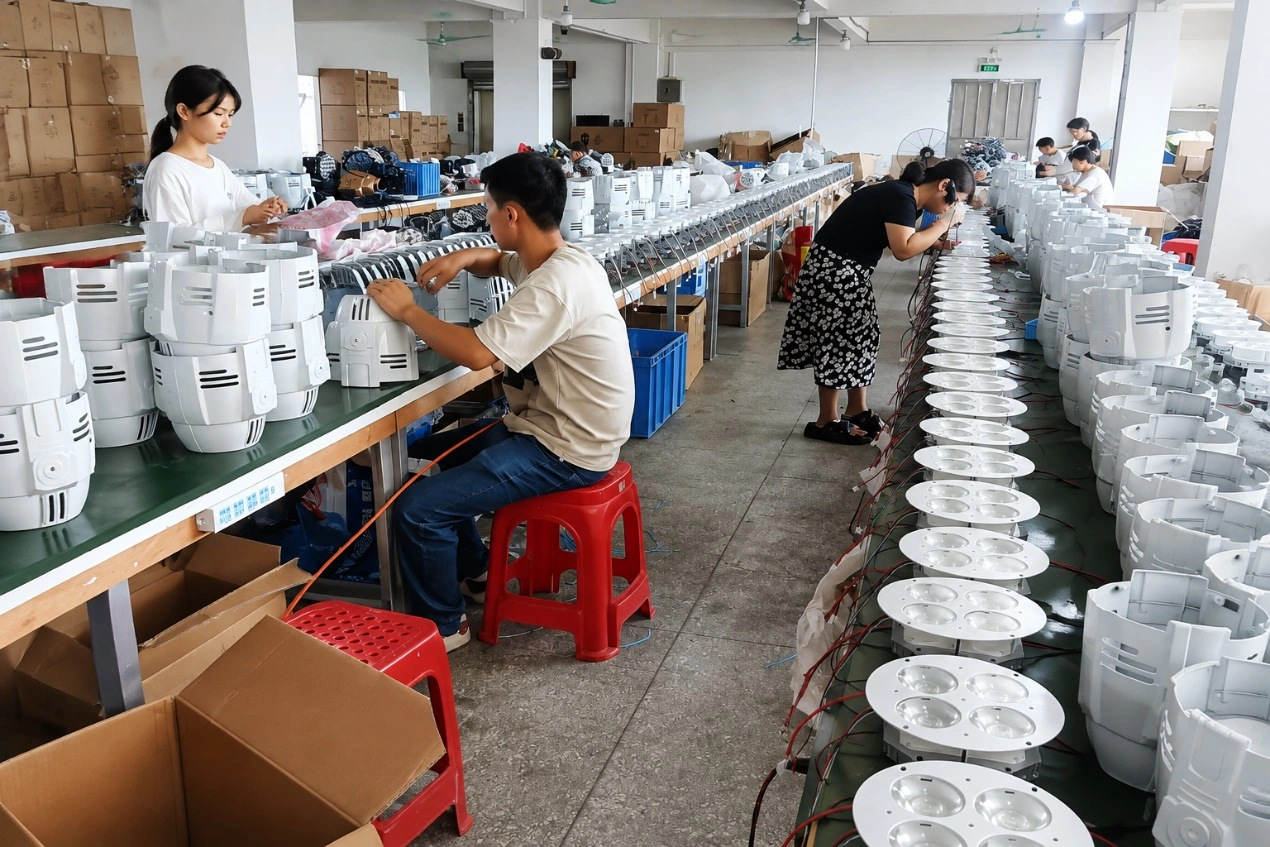
Lighting Fixture Assembly
4) Hand-Applied Decorative Finishes
Some high-end decorative lighting fixtures use hand-applied finishes such as antique patina, color rubbing, hand gilding, and antique brass effects to create greater visual depth and a more refined artistic appearance.
Compared with standard electroplating or powder coating, these finishing techniques cannot be fully automated. Minor variations between individual products are therefore expected and are considered one of the defining characteristics of high-end custom lighting.
For finishes such as antique brass and antique gold, experienced manufacturers typically produce a finish sample for customer approval before starting mass production, ensuring that the final appearance meets the approved design intent.
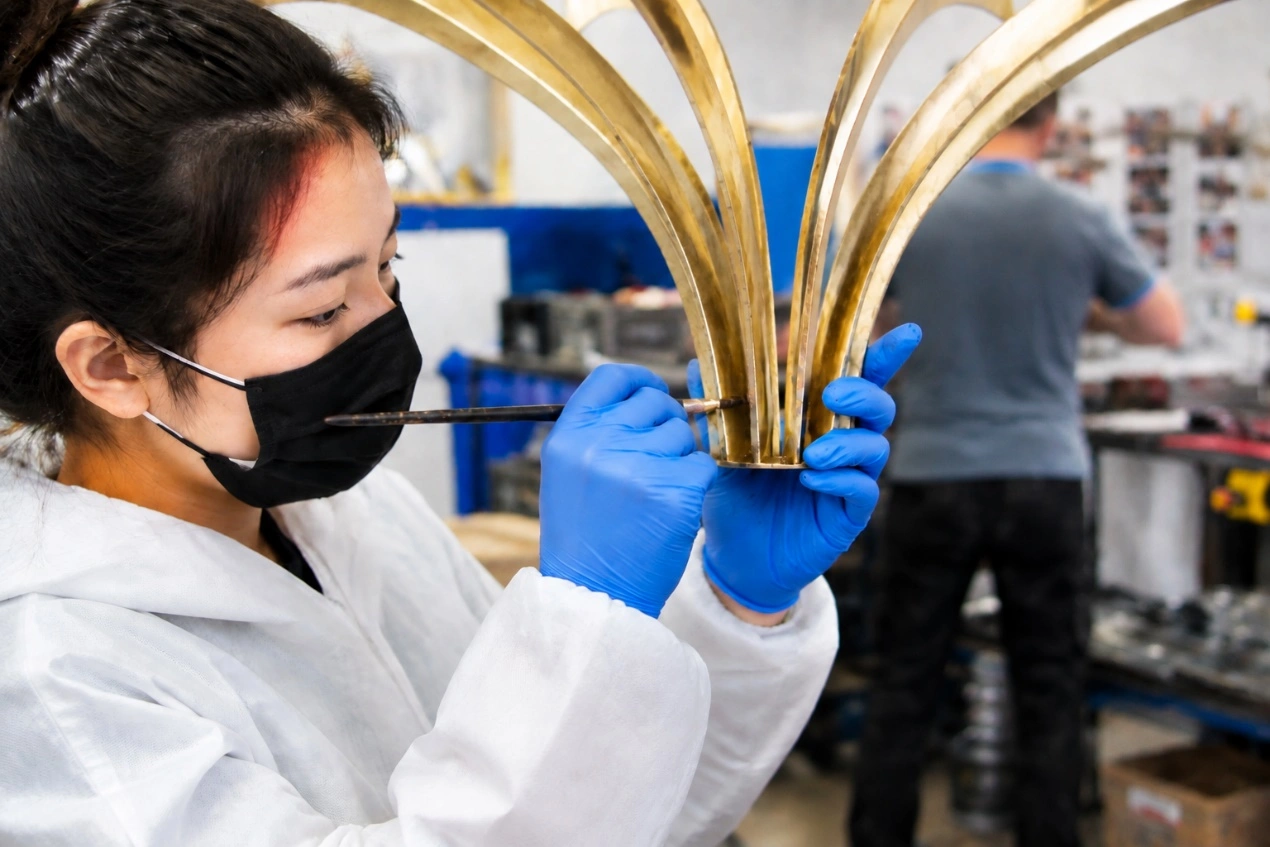
Lighting Fixture Decorative Finishing
5. What Are the Common Surface Finishing Processes for Decorative Lighting?
Surface finishing determines not only the color and texture of a lighting fixture, but also its corrosion resistance, wear resistance, and long-term performance. Different finishing processes are suitable for different materials and application environments.
1) Electroplating
Electroplating deposits a metallic coating onto the surface of a component to improve its appearance, corrosion resistance, and wear resistance. Common finishes include bright chrome, nickel, gold, rose gold, and gunmetal.
Electroplated finishes provide a smooth surface and a premium metallic appearance, making them one of the most widely used surface treatments for high-end decorative lighting. However, the final coating quality depends heavily on surface preparation. Even with the same plating process, inadequate grinding and polishing can still result in pitting, surface waviness, or uneven color.
Applicable Products: Brass chandeliers, modern chandeliers, hotel decorative lighting, and high-end custom lighting.
2) Powder Coating
Powder coating applies electrostatically charged powder to a metal surface before curing it at high temperature to form a durable protective coating.
Compared with conventional liquid painting, powder coating produces a thicker finish with superior wear resistance and corrosion resistance. Its consistent color and high production efficiency make it widely used for modern lighting fixtures and large-scale engineering projects. It is particularly suitable for long-term applications in humid environments and public spaces.
Applicable Products: Modern chandeliers, wall lights, outdoor decorative lighting, and commercial lighting.
3) Painting
Painting offers a wide range of color options and greater design flexibility. It can produce matte, gloss, metallic, and gradient finishes, making it well suited for custom lighting fixtures.
Compared with electroplating, painting makes it easier to achieve special colors, although its long-term wear resistance is generally lower. For large production projects, manufacturers should confirm standard color references, such as RAL or Pantone codes, and approve color samples before production to minimize batch-to-batch color variation.
Applicable Products: Custom lighting fixtures, artistic lighting fixtures, and modern decorative lighting.
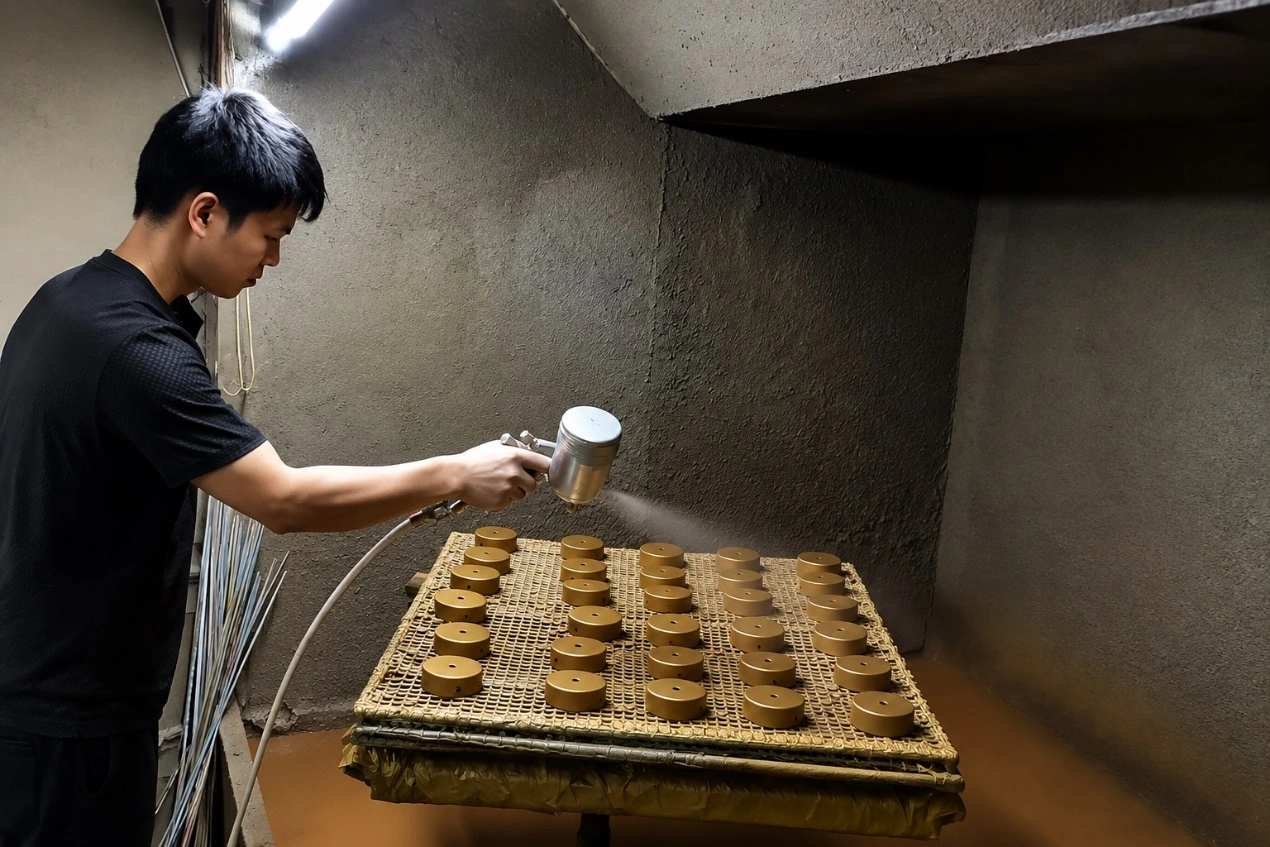
Lighting Canopy Painting
4) Brushed & Polished Finish
Brushing creates a uniform surface grain through mechanical treatment, reducing the visibility of fingerprints and minor scratches. Mirror polishing uses fine polishing to produce a highly reflective surface, giving the fixture a cleaner and more premium modern appearance. Both processes are commonly used as base treatments before electroplating or PVD, and they can also serve directly as the final finish. Although mirror polishing provides a strong visual effect, the surface is more susceptible to scratches during transportation and installation. High-end projects therefore normally keep the protective film in place until installation is complete.
Applicable Products: Brass lighting fixtures, stainless steel lighting fixtures, and modern decorative lighting fixtures.
5) Antique Finish
Antique finishing uses chemical coloring, hand rubbing, or aging techniques to create the layered appearance of naturally oxidized metal, including antique brass, antique gold, and antique silver effects. Because many of these operations rely on manual work, slight variations will occur between individual products. This is also a characteristic of antique finishes.
The final antique color is difficult to confirm accurately from photographs alone. Before formal production, manufacturers should therefore obtain approval of a physical finish sample to avoid color disputes after mass production.
Applicable Products: European-style lighting fixtures, American-style lighting fixtures, hotel lobby lighting, and artistic decorative lighting.
6) PVD Vacuum Coating
PVD (Physical Vapor Deposition) is a vacuum coating process that forms a high-hardness protective layer through physical deposition. Compared with conventional electroplating, PVD provides better wear resistance and color stability. In recent years, manufacturers have widely applied PVD to high-end brass and stainless steel decorative lighting, particularly for premium finishes such as gold, black titanium, and champagne gold.
PVD is not suitable for every metal substrate. Manufacturers normally select either PVD or conventional electroplating based on the base material, color requirements, and project budget rather than assuming that PVD is always superior to electroplating.
Applicable Products: High-end residential lighting, hotel projects, and custom lighting for commercial spaces.
6. How Do Different Manufacturing Processes Affect Decorative Lighting Quality?
Manufacturing processes affect more than the appearance of a fixture. They also influence structural strength, assembly accuracy, surface quality, long-term stability, and production cost. For hotel and commercial projects, these differences can directly affect installation quality, future maintenance, and service life.
1) Impact on Structural Strength and Load-Bearing Performance
Casting reduces the number of joints and is suitable for complex one-piece lamp arms and decorative components, but internal porosity, shrinkage cavities, and uneven wall thickness can reduce local strength. Bent and welded sheet metal structures are more suitable for large frames because the section and wall thickness are easier to control, although welding distortion and stress concentration must be minimized.
Spun components are lightweight and have continuous surfaces, making them more suitable for lampshades and housings rather than primary load-bearing structures. Large chandeliers typically use a combination of a welded main frame, cast decorative components, and CNC-machined connectors instead of relying on a single manufacturing process.
2) Impact on Dimensional and Assembly Accuracy
Accuracy ranking, from highest to lowest: CNC precision machining > sheet metal laser fabrication > metal spinning > precision casting > fully handcrafted fabrication.
CNC machining can achieve accuracy of ±0.02 mm and allows zero-clearance assembly. Sheet metal fabrication maintains consistent accuracy for standardized components in batch production. Casting is suitable for irregular forms and provides sufficient accuracy for decorative applications. Handcrafted fabrication has the largest dimensional variation and is mainly suitable for artistic custom work rather than high-precision assembly applications.
3) Impact on Surface Texture and Decorative Effect
Artistic appearance: Different processes create different visual languages. Hand-blown glass and antique finishing produce natural variations. Casting is suitable for relief details, decorative patterns, and complex three-dimensional structures. Metal spinning creates smooth, continuous circular surfaces, while sheet metal fabrication and CNC machining are better suited to modern designs with clean edges and precise dimensions. The decorative effect should match the design intent; a more handcrafted process does not automatically mean a higher-grade result.
Lighting effect: Precision finishing of high-transmission glass and precision processing of K9 crystal can maximize light transmission uniformity and visual depth. Roughly processed light-transmitting materials can create irregular light spots and uneven light attenuation, directly reducing the decorative quality of the space.
4) Impact on Product Consistency and Long-Term Stability
Batch consistency: Automated sheet metal fabrication, CNC machining, and pressing provide the highest consistency with minimal batch variation. Casting provides the next-best consistency, while fully handcrafted production shows the greatest variation in color, texture, and dimensions.
Long-term stability: PVD coating, powder coating, and heat treatment of cast components can effectively reduce structural stress and improve weather resistance. Conventional painting, non-annealed castings, and manually joined fixtures are more likely to experience deformation, coating separation, and oxidation over time.
5) Impact on Production Cost and Lead Time
Different manufacturing processes have significantly different cost structures and production efficiencies. Based on a manufacturer’s internal mass-production records for comparable standard lighting fixtures, if batch sheet metal fabrication is taken as a cost index of 1.0, CNC precision machining is approximately 1.8, metal spinning approximately 1.5, precision casting approximately 2.0, and labor-intensive handcrafted production approximately 3.2.
Under similar conditions of material, structural complexity, and production capacity, the component processing lead time for 100 standard lighting fixtures can be referenced as follows: approximately 3 days for sheet metal fabrication, 5 days for CNC machining, 6 days for metal spinning, 7 days for casting, and 15 days for labor-intensive handcrafted production. These lead times cover only the corresponding manufacturing process and exclude material procurement, surface finishing, final fixture assembly, testing, and packaging.
In actual mass production, standardized project orders normally prioritize sheet metal fabrication, stamping, or pressing to control unit cost and lead time. Complex irregular fixtures are more suitable for casting followed by manual finishing, while threaded connectors, locating components, and other high-tolerance parts are better suited to CNC machining.
7. Need Help Manufacturing Custom Decorative Lighting?
If you are developing a new decorative lighting product or looking for a reliable manufacturing partner for hotel, commercial, or high-end residential projects, we can recommend suitable manufacturing processes based on your design drawings, material requirements, budget, and target market, and provide feasibility assessments and quotation recommendations.
Whether your project involves high-end decorative lighting made from brass, crystal, or marble, or requires OEM, ODM, or project-specific customization, Postmodern Lighting can help optimize the product structure, manufacturing process, and surface finishing solution to achieve a better balance between quality, cost, and delivery time. Please feel free to contact us.